Custom Cardboard Donation Box
 In Stock
 In Stock
 In Stock
 In Stock

Custom Size

Low MOQ

360° Design

Sustainable

Full-Color Printing
Get An Instant Quote!
Introduction
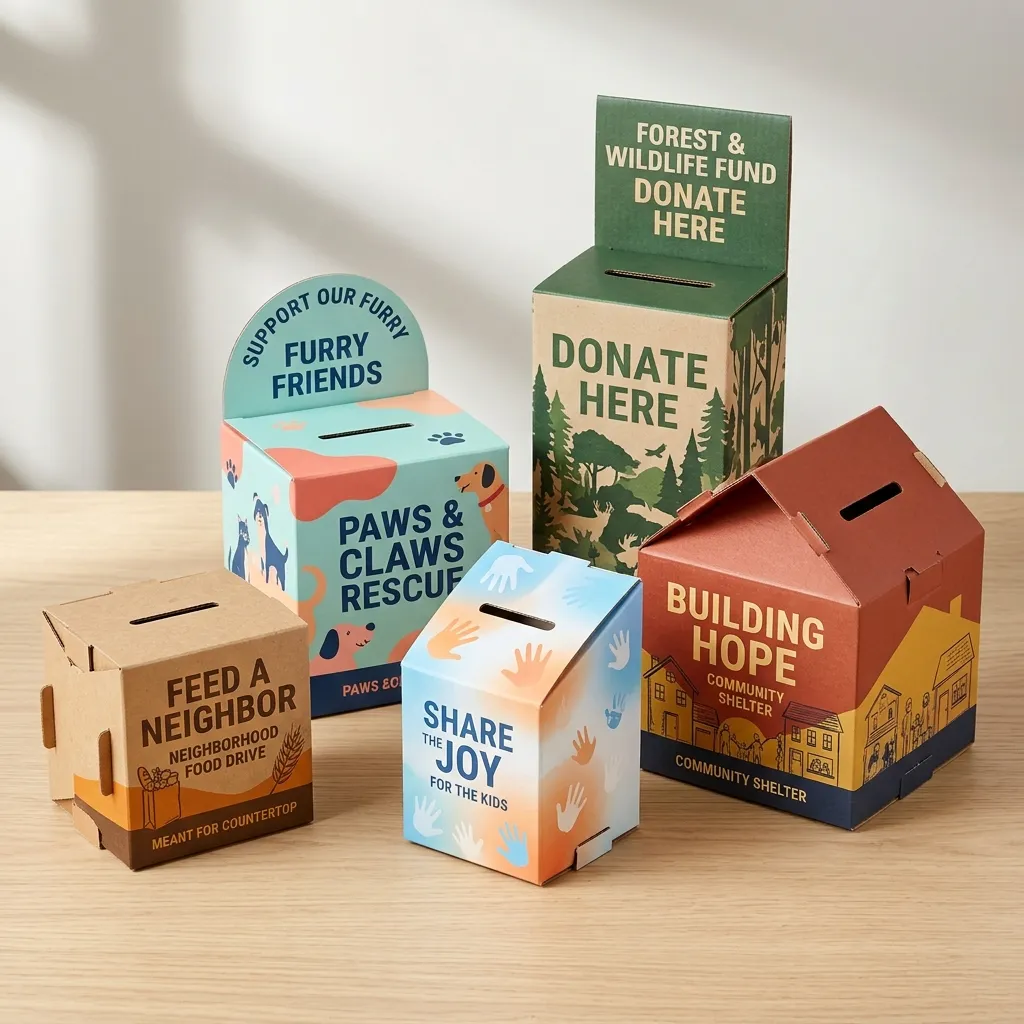
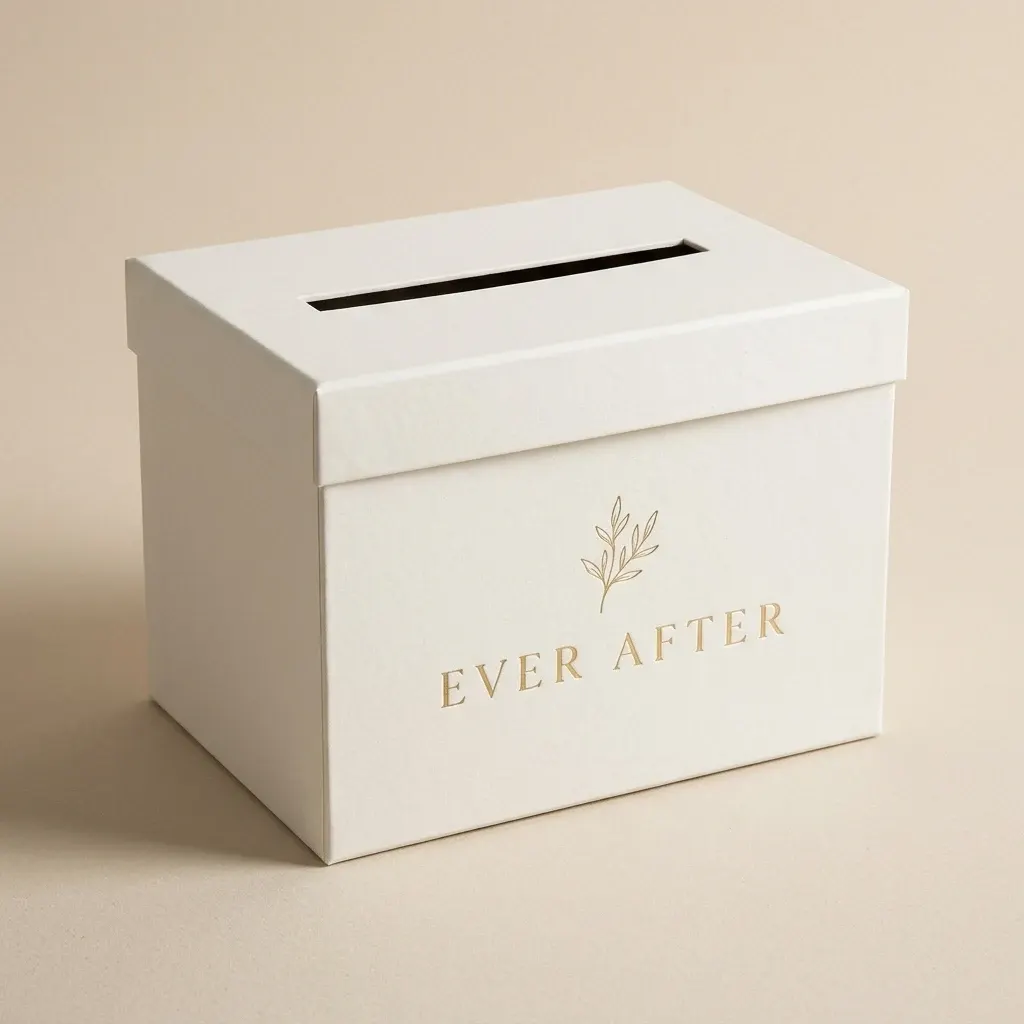
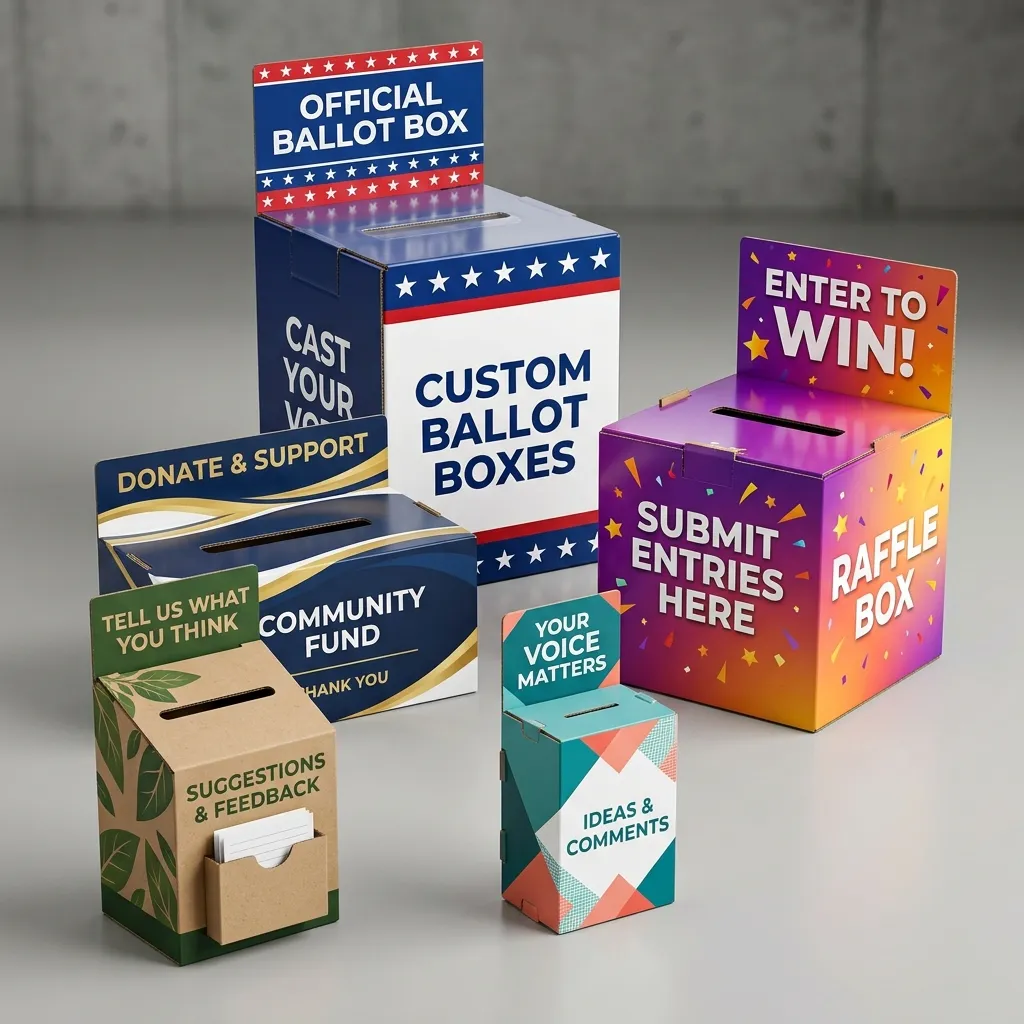
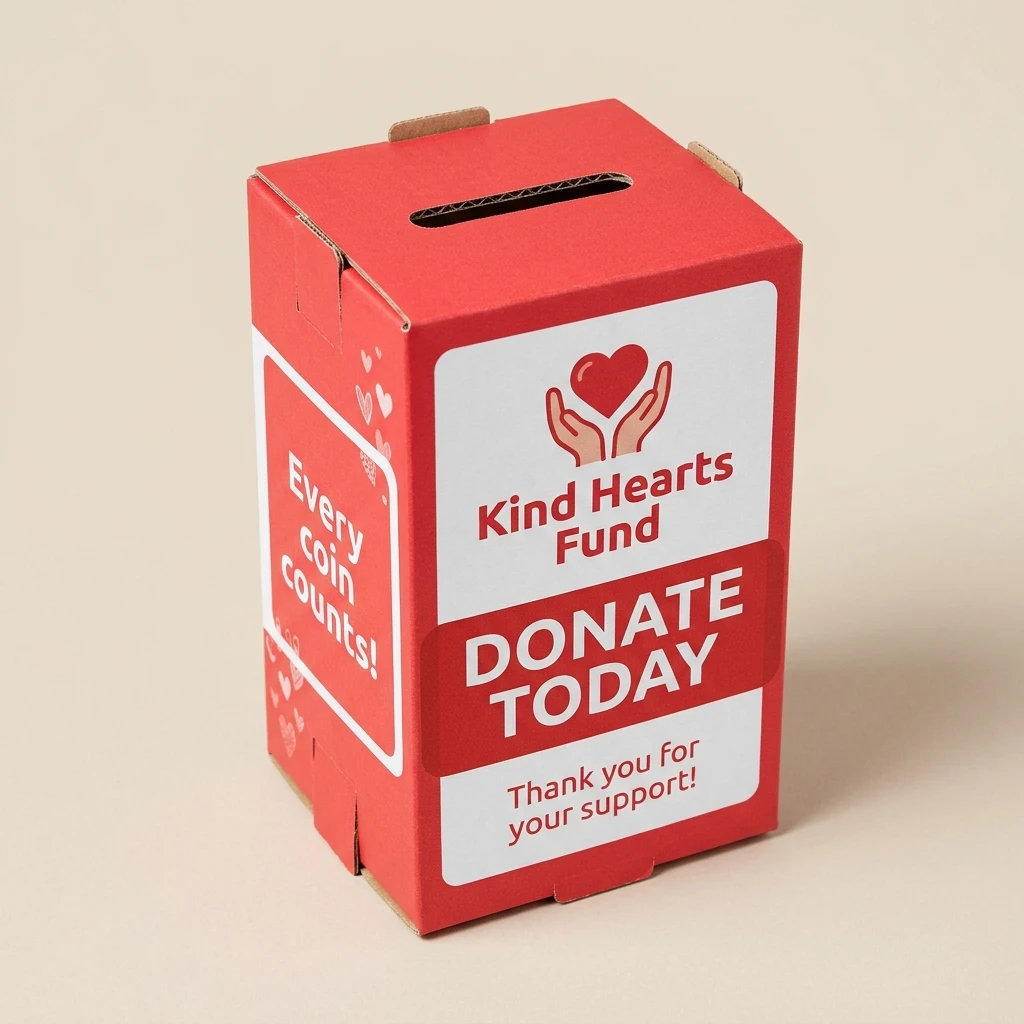
Fundraising campaigns depend on more than a compelling message. They also need practical collection solutions that make contributing easy and encourage people to participate. A well-designed Custom Cardboard Donation Box provides an accessible way for charities, non-profit organisations, schools, churches and businesses to collect financial contributions while communicating their purpose.
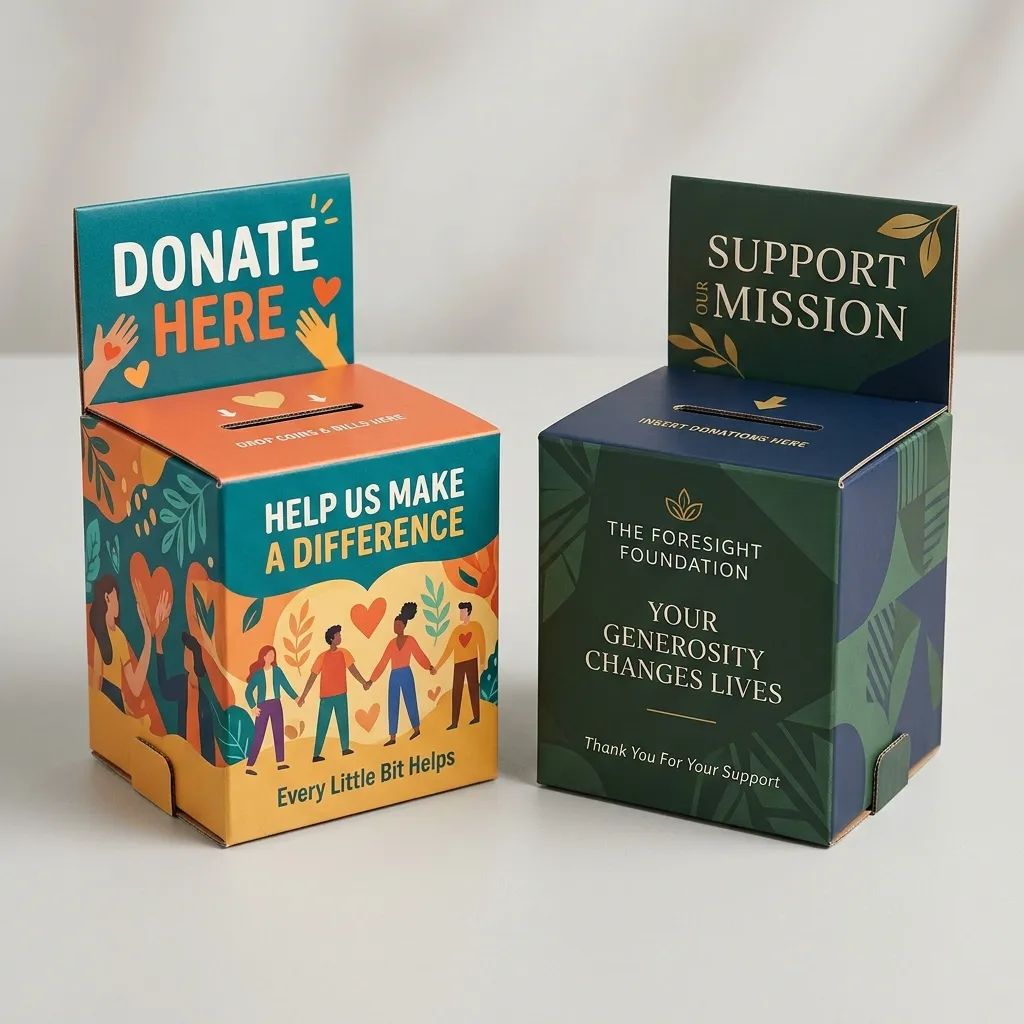
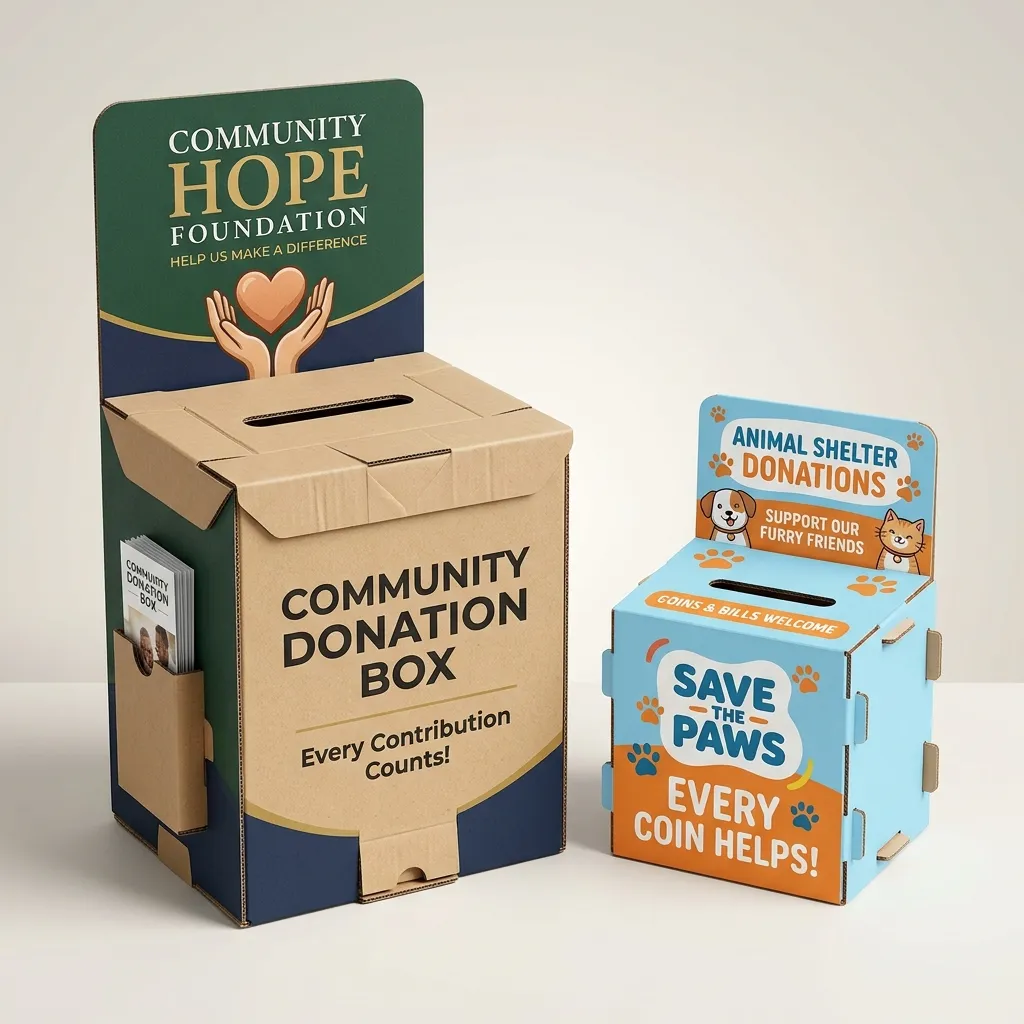
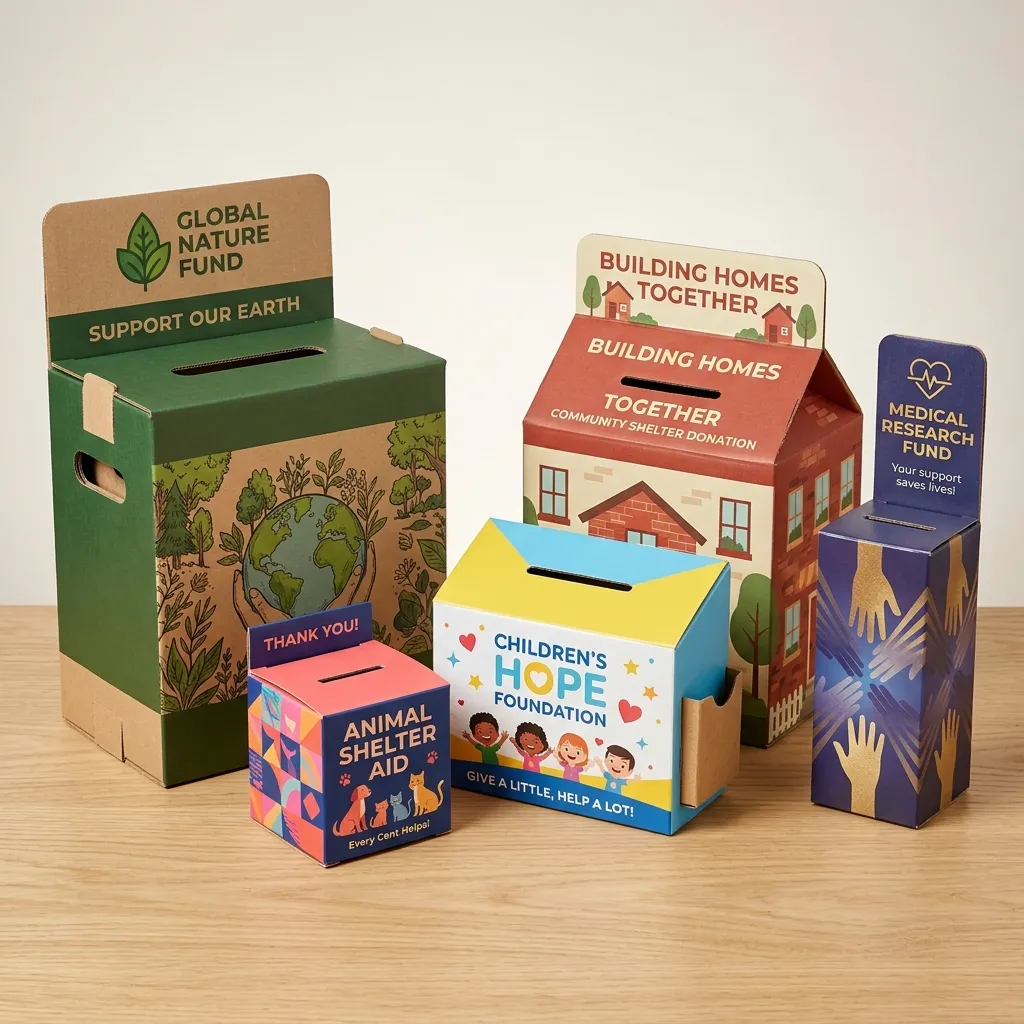
Custom cardboard donation boxes combine functional construction with attractive printed graphics. They can be positioned on reception counters, retail checkout areas, registration desks and fundraising event tables. Organisations can customise their dimensions, opening slots, colours, printed messages and overall appearance to suit different collection environments.
At CustomPrintingServices, we provide custom packaging solutions designed around product requirements, visual presentation and practical use. Our donation box concepts can help organisations create a consistent fundraising presence while making donation collection more organised.
Key Benefits of Custom Cardboard Donation Box
A thoughtfully designed donation box supports fundraising activities in several ways:
- Improved Visibility: Custom printing makes campaign messages, organisational names and donation instructions easier to recognise.
- Convenient Collection: Carefully positioned slots allow donors to insert coins, banknotes or contribution slips, depending on the opening design.
- Lightweight Construction: Paperboard and corrugated materials provide practical options for portable collection points.
- Flexible Customisation: Different dimensions, colours, structural styles and printed graphics accommodate various fundraising requirements.
- Professional Presentation: Branded collection boxes create a more organised appearance at public-facing locations.
- Efficient Storage: Flat-packed designs can help reduce storage space before assembly, where the selected structure permits.
These benefits make custom donation boxes useful for both short-term campaigns and recurring collection activities.
Packaging Solutions for Different Applications
Different fundraising environments require different box designs. The right construction should reflect the location, expected contribution volume and collection process.
| Application | Recommended Design |
| Charities and non-profits | Branded collection boxes with clear donation messages |
| Schools and universities | Compact boxes for classroom and reception fundraising |
| Churches and religious organisations | Traditional designs with customised campaign information |
| Retail stores | Countertop boxes positioned near checkout areas |
| Corporate events | Printed collection boxes featuring campaign branding |
| Community food drives | Larger collection boxes designed for lightweight donated items |
| Fundraising exhibitions | Visible display-style boxes with prominent graphics |
For organisations running multiple campaigns, consistent artwork and colour schemes can help maintain recognition across different collection locations.
Material Options & Packaging Performance
Material selection affects the box’s rigidity, appearance, assembly and suitability for repeated handling. The most appropriate option depends on its dimensions, expected contents and placement.
Folding Boxboard: A practical choice for smaller countertop donation boxes. Its smooth surface supports detailed printing, while its foldable construction makes it suitable for compact designs.
Coated Paperboard: Offers a suitable printable surface for campaign graphics, instructions and organisational branding. Different board thicknesses can be considered according to the box’s structural requirements.
Corrugated Cardboard: Its fluted construction provides additional rigidity compared with conventional folding board. It is worth considering for larger collection boxes, floor-standing displays and applications involving heavier contents.
Kraft Paperboard: Provides a natural brown appearance for organisations seeking a simple, understated presentation. It can also accommodate minimal printed designs.
Material thickness should be selected according to the box dimensions, opening size and expected load. Larger collection boxes generally require more structural consideration than small countertop units.
Printing & Branding Technology
Printing transforms an ordinary collection container into a recognisable fundraising communication tool. Organisations can use the available printable panels to explain their purpose and encourage participation.
Depending on the selected material and production requirements, printing options may include:
- CMYK Printing: Suitable for colourful campaign graphics, photographs and detailed artwork.
- Pantone Colour Matching: Helps maintain consistency with established organisational colours.
- Digital Printing: Can be considered for artwork variations and projects requiring flexible print preparation.
- Offset Printing: A suitable option for many larger-volume print projects requiring consistent reproduction.
Useful printed elements include organisational logos, campaign names, donation instructions, contact information, QR codes and short calls to action. For Canadian audiences, bilingual English and French messaging may also be appropriate, depending on the campaign’s location and audience.
Explore our custom printing solutions to learn more about printed packaging possibilities.
Finishing & Surface Treatments
Finishing choices influence both the appearance and surface characteristics of donation boxes. The right treatment depends on the artwork, board material and intended handling conditions.
Potential options include:
- Matte Finish: Creates a subtle appearance with reduced surface shine.
- Gloss Finish: Adds visual brightness and enhances colour presentation.
- Varnish: Provides a surface treatment for selected printed applications.
- Spot UV: Highlights selected design elements through contrasting gloss.
- Embossing: Creates raised details for logos or selected graphic elements.
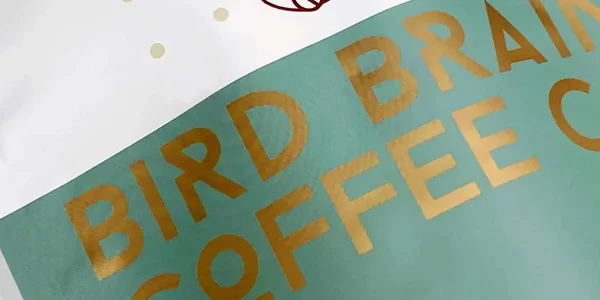
- Foil Stamping: Adds metallic accents to specific design areas.
Not every treatment is appropriate for every board or recycling system. Finishing requirements should therefore be considered alongside material selection.
Structural Styles & Box Types
Donation boxes should be designed around how contributions will be collected and retrieved.
Countertop Donation Boxes: Compact structures for checkout counters, reception desks and registration tables.
Floor-Standing Collection Boxes: Larger formats that provide greater display visibility at events, community centres and fundraising venues.
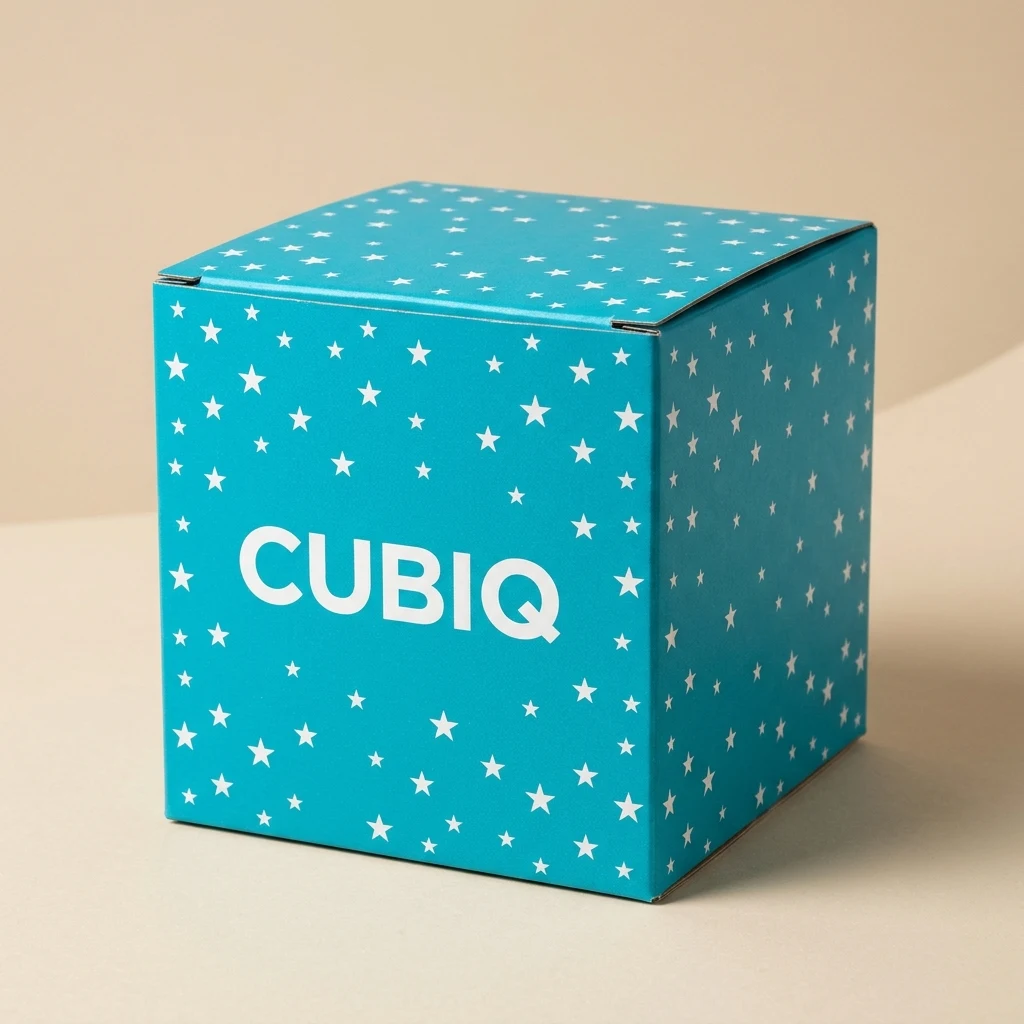
Cube-Shaped Donation Boxes: Four-sided structures offering printable surfaces for campaign information and organisational branding.
Rectangular Collection Boxes: Space-efficient designs that can accommodate different countertop and display arrangements.
Flat-Bottom Donation Boxes: Structures designed for stable placement on suitable horizontal surfaces.
Custom Die-Cut Donation Boxes: Specially developed shapes for themed fundraising campaigns, promotional events and distinctive presentations.
Slot dimensions and placement should match the intended contributions. A coin-only opening differs from an opening designed to accommodate folded banknotes or paper contribution forms.
Technical Specifications
The following specifications are design considerations rather than fixed manufacturing standards. Final details depend on the approved structure, material and production requirements.
| Specification | Customisation Considerations |
| Product Type | Cardboard donation and collection boxes |
| Material | Folding boxboard, coated board or corrugated cardboard |
| Dimensions | Custom length, width and height |
| Box Structure | Cube, rectangular, countertop or floor-standing |
| Printing | CMYK, Pantone or other suitable processes |
| Opening | Coin slot, note slot or customised insertion opening |
| Surface Finish | Matte, gloss, varnish or selected specialty treatments |
| Artwork | Logo, campaign message, instructions and QR code |
| Assembly | Folded, glued or flat-packed construction |
| Application | Charity, retail, school, church and event fundraising |
Packaging Engineering Considerations
A donation box must remain stable and functional throughout its intended use. Structural planning should account for the relationship between dimensions, board strength, opening size and expected contents.
For example, a large collection box carrying accumulated donations needs stronger structural support than a small box intended for occasional coin contributions. The base should distribute the load appropriately, while the top panel should resist deformation around the insertion slot.
The opening must also be practical without compromising the surrounding panel. Rounded or carefully finished slot edges can help reduce tearing during regular use.
Where contributions need additional protection, organisations should consider tamper-evident seals, supervised collection or a more secure collection system. Cardboard construction alone should not be treated as a substitute for a lockable security container.
Design & Prepress Guidelines
Good artwork preparation helps prevent printing and structural problems during production. Before approving a design, consider these important details:
- Supply high-resolution artwork in a suitable print-ready format.
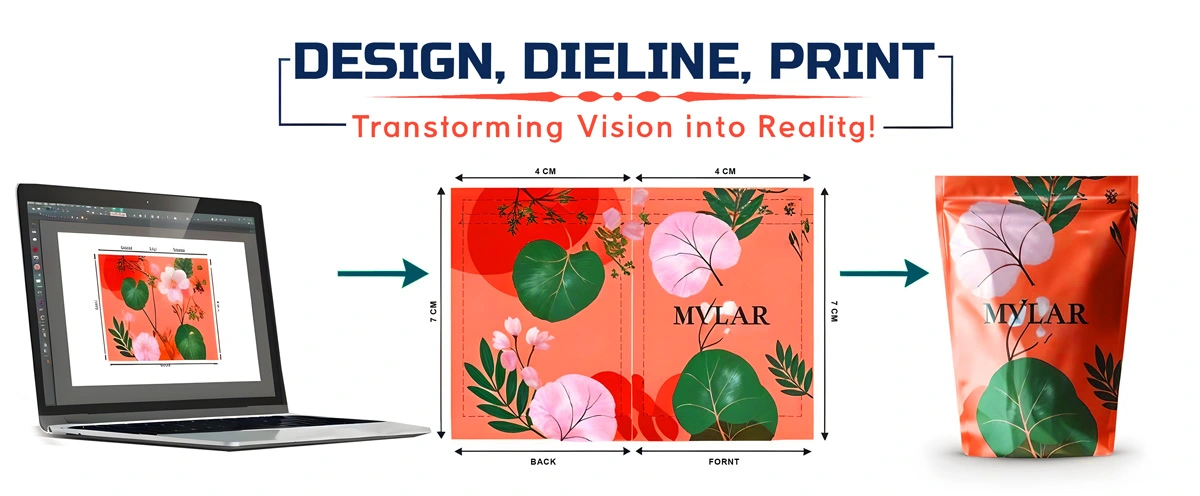
- Use the correct dieline and maintain the specified bleed and safe margins.
- Keep logos, instructions and important text away from folds and cutting lines.
- Check the visibility and readability of donation messages.
- Confirm QR code functionality and scanning space.
- Verify spelling, contact details and bilingual content where applicable.
- Review the slot position against the intended donation type.
A digital mockup or physical sample, where available, can help assess the overall appearance and practical usability before proceeding with a larger order.
How to Order Custom Cardboard Donation Box
Ordering a customised donation box involves a few straightforward steps:
- Share Your Requirements: Explain the fundraising purpose, intended placement and expected usage.
- Select Materials: Choose a suitable board type based on dimensions, rigidity and presentation.
- Confirm Dimensions: Provide the required length, width and height.
- Discuss Printing: Share your logo, campaign artwork, colours and messaging.
- Review the Design: Check the proposed layout, structural details and insertion opening.
- Approve Production Details: Confirm the final specifications, quantity, pricing and estimated timeline.
You can request a custom packaging quote with your project requirements to begin the process.
Quality Assurance & Compliance
Quality considerations should cover both the printed appearance and the functional construction of each donation box. Important checks include board consistency, accurate cutting, clean folds, secure adhesive joints, print alignment and properly formed insertion openings.
Artwork should be reviewed for spelling, colour consistency and correct placement before production approval. Finished boxes should also be assessed for stability and suitability for their intended collection environment.
Organisations should avoid making unsupported security or environmental claims. If a campaign includes specific legal, accessibility or fundraising requirements, these should be reviewed separately for the relevant province or territory.
Sustainability Commitment
Paperboard and corrugated cardboard can be suitable material choices for organisations seeking paper-based collection packaging. However, recyclability depends on the complete construction, including coatings, adhesives, labels and additional components.
The Environmental Quality Enhancement guidance published in Quebec in 2025 identifies wax barriers and coatings as problematic for paper and cardboard recycling because they interfere with the pulping process. This makes material and finishing selection an important consideration for environmentally conscious packaging projects.
Where appropriate, consider recyclable paper-based materials, minimise unnecessary components and select surface treatments compatible with local recycling requirements. Always check the applicable municipal collection guidelines before making recyclability claims.
Why Invest in Custom Cardboard Donation Box?
A custom donation box is more than a container for collecting contributions. It gives organisations a dedicated space to communicate their fundraising message, reinforce recognition and make participation convenient.
Custom sizing allows the structure to fit available counters or event spaces, while printed messaging helps explain where contributions are going. For organisations managing recurring campaigns, consistent packaging can also create a recognisable appearance across different locations.
Investing in a suitable design can therefore support a more professional and organised fundraising experience.
Why Choose CustomPrintingServices?
CustomPrintingServices understands that effective packaging must balance presentation, material selection and practical functionality. Our approach focuses on developing packaging concepts around the requirements of each project rather than relying on a single standard design.
Whether you need compact countertop collection boxes, larger event displays or branded fundraising packaging, we can discuss suitable design and printing considerations for your application.
Our broader custom packaging solutions provide additional options for organisations looking to maintain consistency across their packaging requirements.
For assistance with your project, contact our team or email our team with your dimensions, artwork and quantity requirements.
Frequently Asked Questions
- What are custom cardboard donation boxes used for?
They are used to collect coins, banknotes, contribution forms and other suitable donations at charities, schools, churches, retail stores, corporate events and community fundraising activities.
- Can I print my organisation’s logo on a donation box?
Yes, custom artwork can be incorporated into the design, subject to the selected material and printing process. You can include logos, campaign messages, organisational colours and donation instructions.
- What material is best for a cardboard donation box?
Folding boxboard and coated paperboard are suitable considerations for compact countertop designs, while corrugated cardboard may be more appropriate for larger collection boxes requiring additional rigidity.
- Can donation boxes have different slot sizes?
Yes. Slot dimensions can be considered according to whether the box will collect coins, folded banknotes or paper contribution forms. The opening should be designed around the intended use.
- Are custom cardboard donation boxes recyclable?
Many paperboard and corrugated cardboard constructions can be recycled where accepted by local programmes. However, coatings, adhesives and other components may affect recyclability, so the complete construction should be assessed.
- Can I order large floor-standing donation boxes?
Larger collection formats can be developed with appropriate structural support, dimensions and printed panels. Their design should account for the expected contents and placement environment.
- Can donation boxes be supplied flat-packed?
Flat-packed construction may be possible depending on the selected box style. This can help reduce storage and transportation space before assembly.
- What information should I provide when requesting a quotation?
Provide your preferred dimensions, material requirements, quantity, printing artwork, box style, insertion opening and intended application. These details help establish suitable design and pricing requirements.
Variety Of Options Available For Custom Cardboard Donation Box
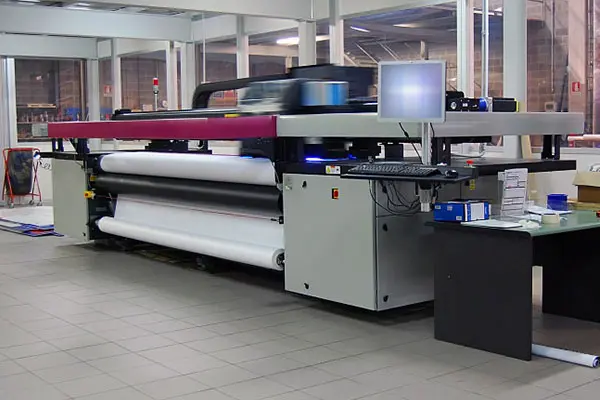
Digital Printing
This printing method prints your artwork directly from a file, with no plates or setup. It is the best choice for short runs, test batches, and detailed multi-color designs.
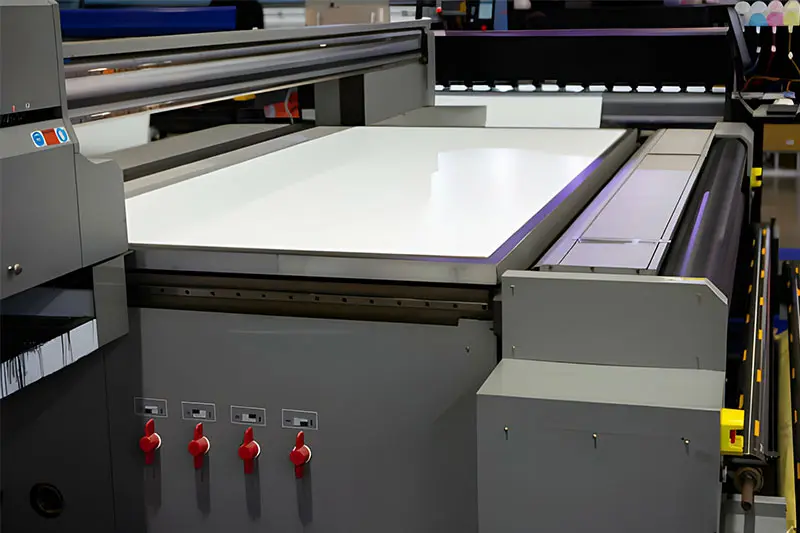
UV Printing
In UV printing, ultraviolet light cures the ink instantly, so prints come out bright, glossy, and durable. It suits small to mid-size runs with fine detail and quick turnaround.

Gravure Printing
In this method, engraved cylinders transfer ink with exceptional detail and colour consistency. It is the most cost-effective method for large production runs and premium, intricate designs.
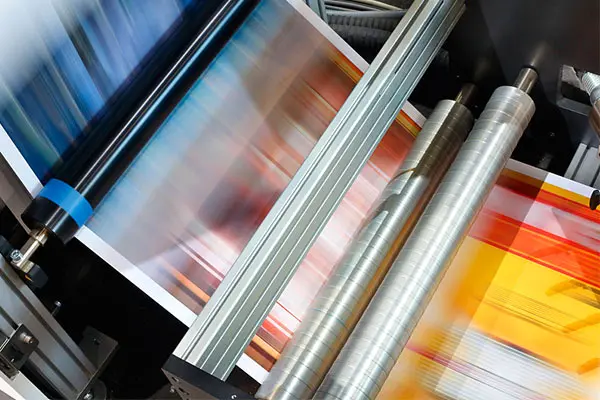
Offset Printing
Offset printing delivers sharp, precise graphics and vivid colour. It works well for paper-based packaging, sleeves, and labels where logos and fine text must look crisp.

Flexographic Printing
In flexography, flexible plates carry the ink to the material. It is fast and efficient for high-volume orders with bold colors and short lead times.
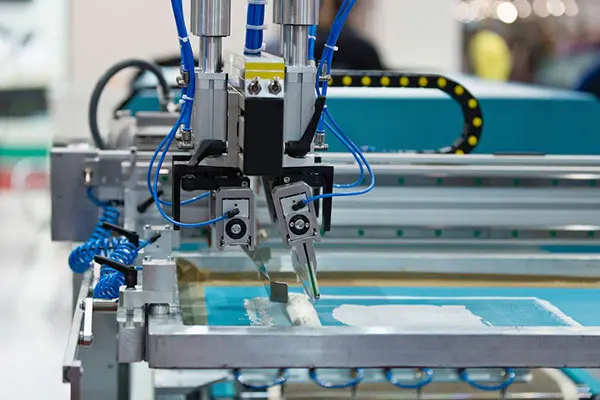
Screen Printing
A stencil applies thick, opaque ink for bold designs and solid colors. It suits simple artwork and smaller runs, though it takes more hands-on Laboure.

Solvent-Based Inks
These bond tightly to glossy, non-porous films. They offer strong color, abrasion resistance, and protection against handling and shipping wear.
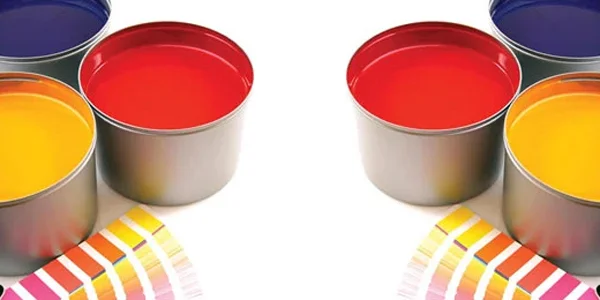
Water-Based Inks
A lower-VOC, more environmentally friendly option with bright color. On non-porous films, they may need pre-treatment or a protective varnish.

UV Inks (Ultraviolet Cured Inks)
UV inks are cured instantly under UV light for vivid colour and a tough, scratch-resistant finish. They are excellent for detailed, high-quality artwork.
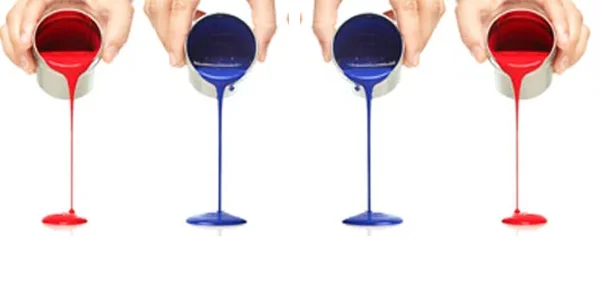
Flexographic Inks
Water- or solvent-based inks formulated for flexo presses. They dry quickly, cover well, and keep color consistent across large runs.
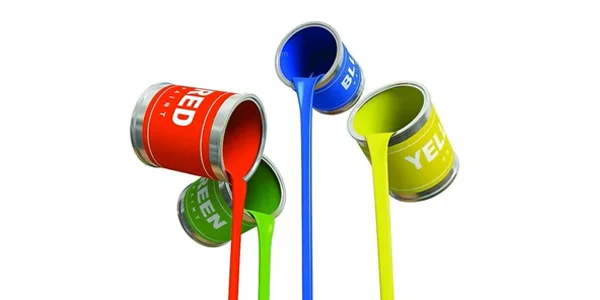
Gravure Inks
Solvent-based inks designed for dense, rich, highly detailed prints. They hold up well on long production runs.
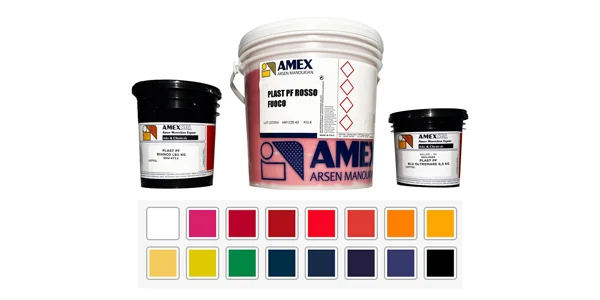
Plastisol Inks
Thick, opaque, and very durable, but they need heat to cure properly. They are best for small runs and special effects.
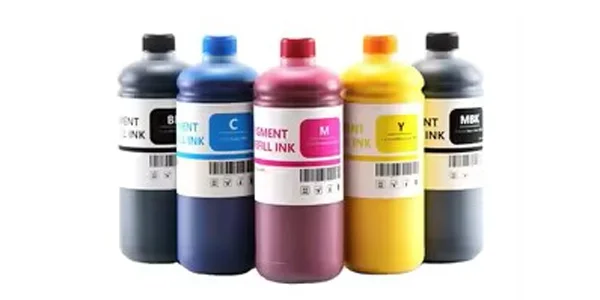
Pigment-Based Inks
Solid pigment particles give long-lasting color that resists fading, water, and light. They suit packaging that must look new for a long time.
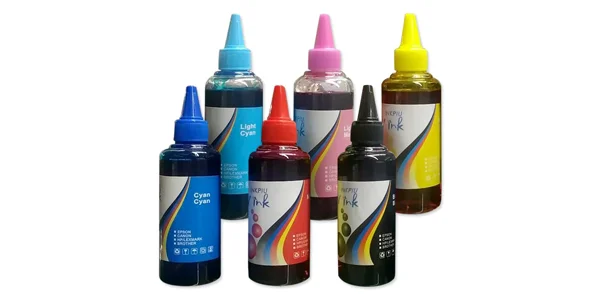
Dye-Based Inks
Offer bright, vivid color with good transparency. They are less resistant to UV and wear, so they are best for indoor or short-term use.
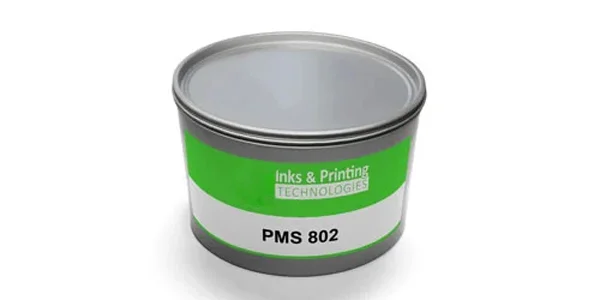
Fluorescent Inks
Bold neon and pastel shades that stand out, especially under UV light. They are eye-catching but fade faster than standard inks.

Pantone Inks
Exact color matching for logos and brand palettes. Your packaging looks the same from one order to the next.
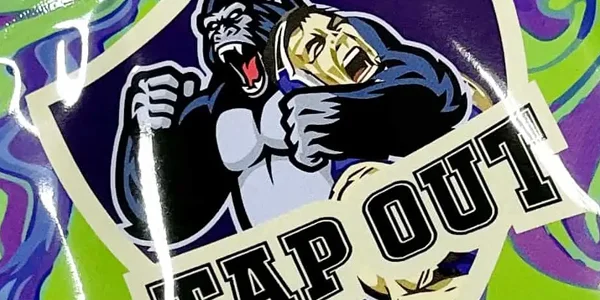
Gloss Finishing
It gives a shiny and light-reflecting surface that makes colors pop and draws the eye on the shelf.
Matte Finishing
Matte finish has a smooth, non-reflective surface with a refined, modern feel.
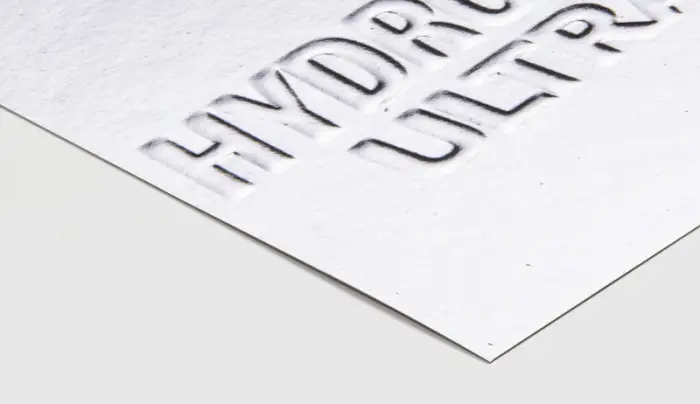
Blind Embossing
Blind embossing creates a raised, 3D motif on the front of the packaging material without using any ink or foil. This technique relies entirely on pressure to add a sophisticated, tactile element to your design.
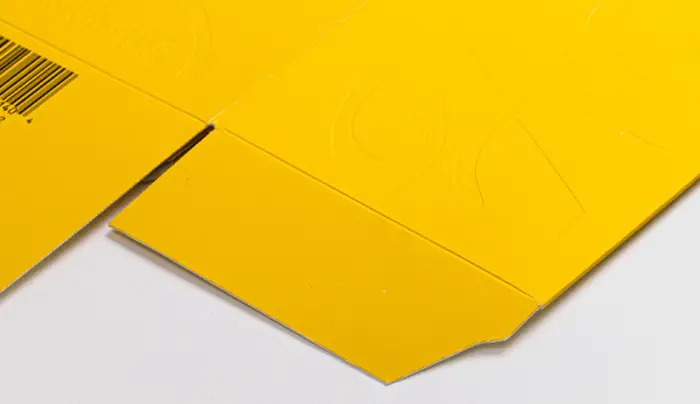
Blind Debossing
In this method, a recessed (sunken) motif is pressed into the front of the packaging material. It offers a subtle, elegant way to add texture and depth to your brand logo or design.
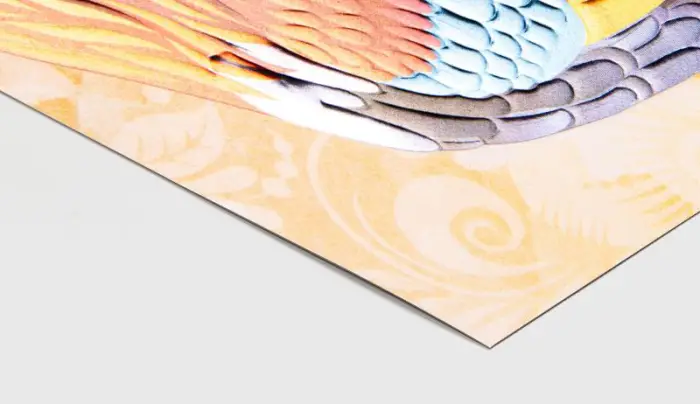
Registered Embossing
Here, the die is pressed from the back of the material to create a raised motif. This technique is typically used to perfectly align the raised area with a pre-printed graphic or text on the front.
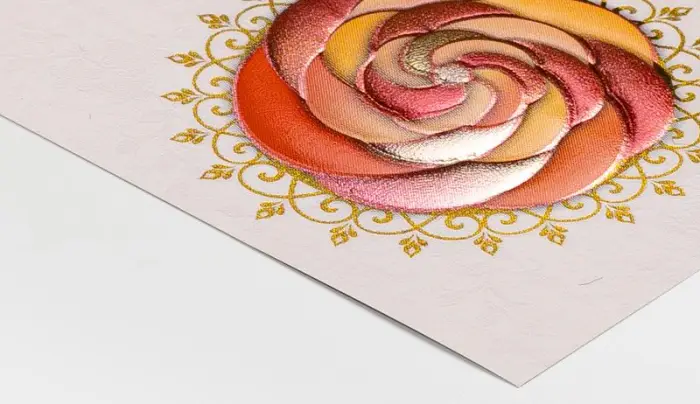
Combination Embossing
Combination embossing creates a raised 3D motif that features metallic foil on top. It is a premium technique that combines the depth of embossing with the striking visual impact of foil stamping.
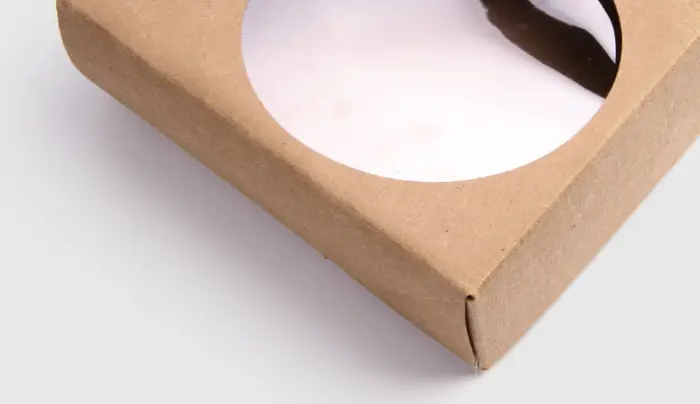
Window Patching

Brown Kraft
It gives a natural, rustic look that signals sustainability and environmental responsibility.
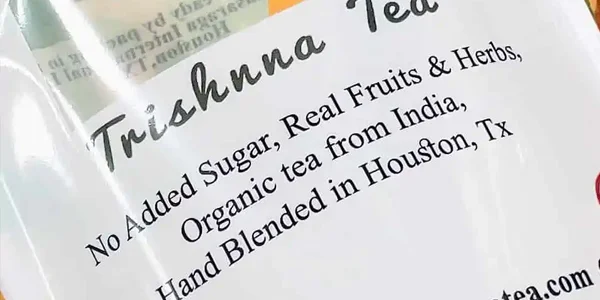
Gloss-Clear
Gloss clear finishing gives a shiny, transparent surface that shows off the product while keeping a polished look.
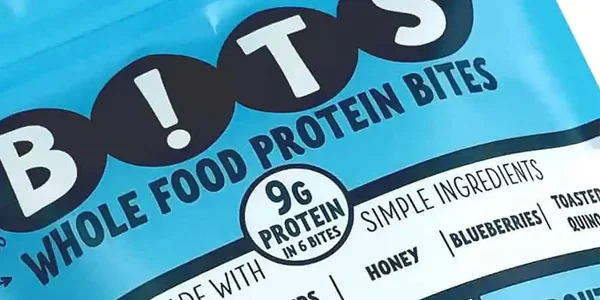
Clear-Matte
A soft, frosted-looking transparent finish. It balances visibility with a premium feel.
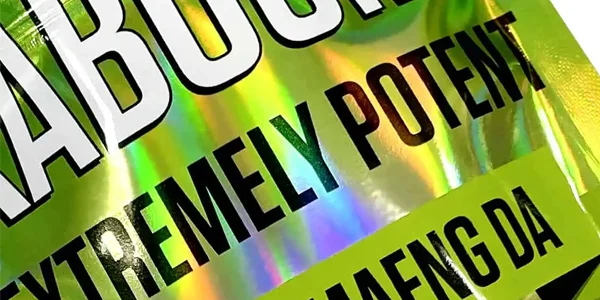
Foil-Holographic
It gives a rainbow-shifting effect that changes with the light. It is bold, modern, and hard to ignore.
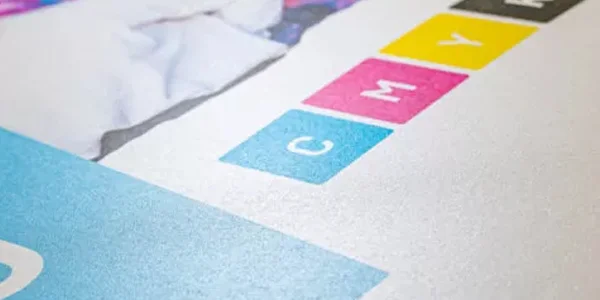
Pearlescent Coating
Pearlescent is a soft, shimmering sheen like a pearl. It adds elegance without being flashy.

Soft-Touch Coating
It is a velvety, smooth finish that customers notice the moment they pick the package up.

Frosted Effect
Frosted effect finishing gives a hazy, semi-transparent look that suits luxury and delicate products.
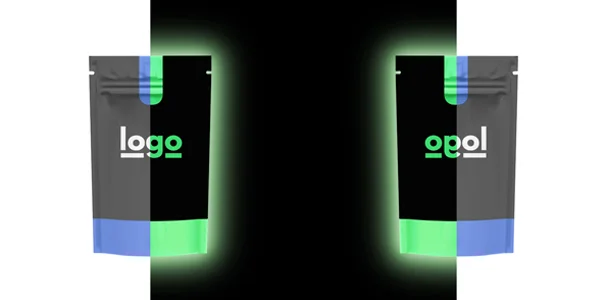
Glow-in-the-Dark Coating
Phosphorescent ink that glows after light exposure. It works for novelty packaging and can also help with brand authentication.
Scented Coating
Releases a pleasant aroma when the package is opened. It suits candles, fragrances, and food products.

Textured Film
Embossing, debossing, and foil stamping add depth to logos and text. They make the product feel more valuable.
Anti-Scratch Coating
A protective layer that resists scuffs and scratches. It keeps packaging looking new on the shelf and in transit.
We Provide You With Value Services
Customprintingservices.ca provide not only high-quality packaging, but also services that make you worry-free.
Transparent Packaging Services
We clearly state the prices of what you are getting from us and use and produce what we claim.
Post-Delivery Services
To ensure you have received the accurate product, we follow up with the help of our customer care team.
Unlimited Customization Options
Get your packaging boxes in style, material, and design with our unlimited customization options and ace the market like a pro.
Sustainable Packaging Options
Enjoy sustainable eco-friendly material options and give your product an organic, rustic, and attractive look.
How We Work
To ensure that every one of our clients receives personalized packaging that will spectacularly outshine its products, we follow to the highest standards of precision throughout the whole production process. No matter what you're selling, our dependable packaging are made with high-quality materials and produced in an efficient factory.
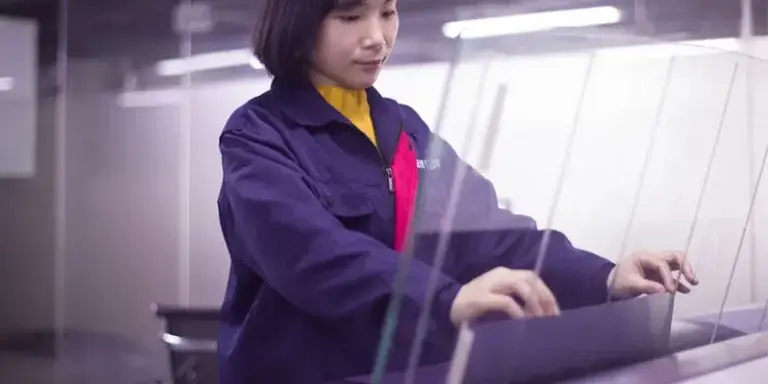
Material Selection
Our manufacturing process begins with selecting high-quality materials, such as kraft paper, corrugated cardboard, and rigid paperboard, to create durable custom packaging boxes that protect your products and present your brand professionally.
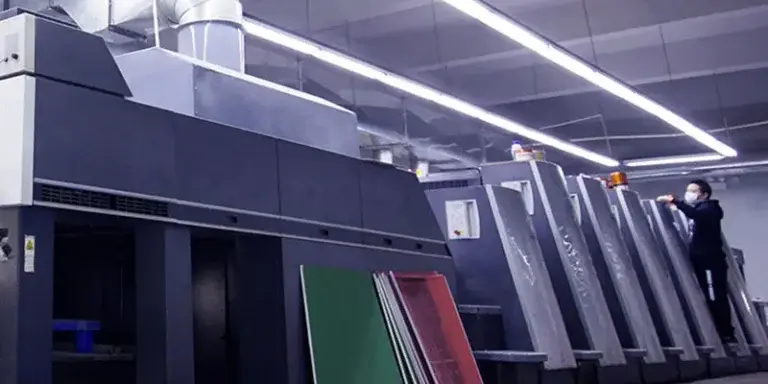
Printing
The selected materials are printed with custom designs, brand logos, and product information using advanced digital, offset, or flexographic printing techniques to achieve sharp details, vibrant colors, and professional results that bring your packaging to life.
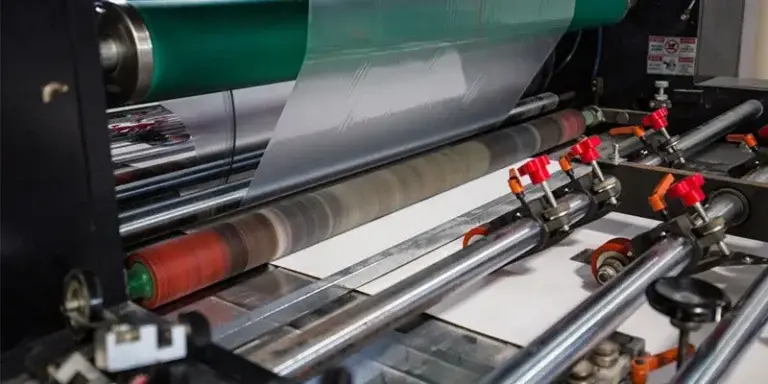
Extrusion and Coating
The selected paperboard or corrugated material is cut, scored, and prepared according to your box dimensions and design specifications. This process helps create sturdy custom packaging boxes that provide reliable product protection and a clean, professional finish.
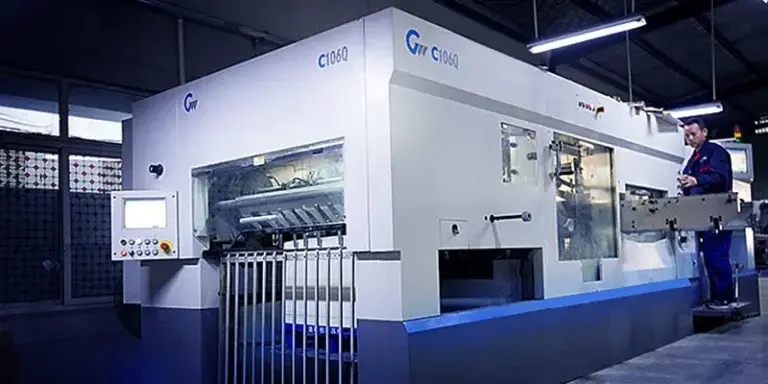
Cutting and Shaping
The printed material is then cut into the desired shapes and sizes, with each piece carefully measured to ensure consistency in the packaging dimensions.
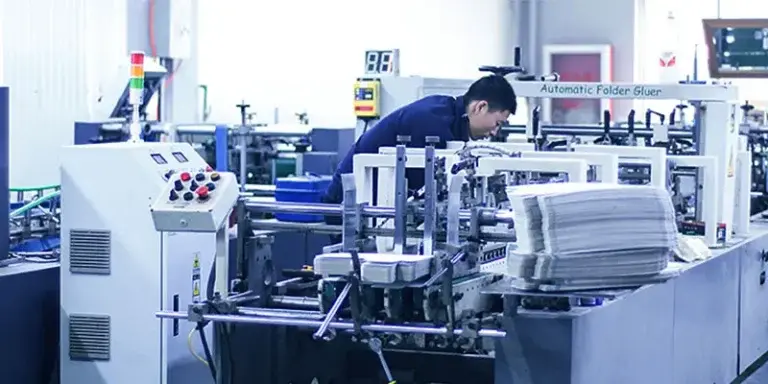
Box/Packaging Formation
The cut and scored materials are folded and assembled to create the desired box structure. Depending on the box style, this process may involve gluing, locking tabs, or folding panels to ensure a secure fit, sturdy construction, and a professional finish.
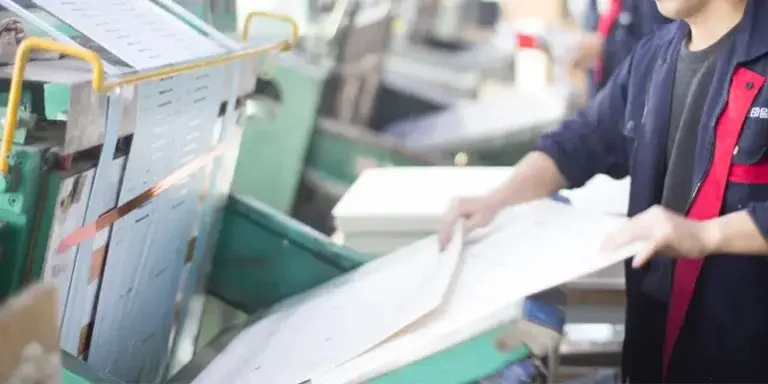
Quality Control and Packaging
Finally, the packaging are inspected for defects, ensuring proper sealing and printing quality before packing them for shipment.
Clients Speak About Us
Thanks for always trusting and supporting us.
Never been more satisfied with the quality of custom bags than this time. customprintingservices.ca is the best option if you need quality at lower rates.

Edward Ryan
Verified CustomerCustom Printing Services is my long-term packaging partner. They serve me with amazing designs of high quality in just a week. Thumbs up!
Anthony
Verified CustomerJust received my custom kraft mylar bags from them and was amazed by the quality and attention to detail in the design of the bags. 100 % satisfied.
Joseph Paul
Verified CustomerRelated Products
Get professional packaging and printing to boost your branding and marketing.
 In Stock
 In Stock
 In Stock
 In Stock
 In Stock
 In Stock
 In Stock
 In Stock
 In Stock
 In Stock
 In Stock
 In Stock
 In Stock
 In Stock
 In Stock
 In Stock
 In Stock
 In Stock
 In Stock
 In Stock
 In Stock
 In Stock
 In Stock
 In Stock
 In Stock
 In Stock
 In Stock
 In Stock
 In Stock
 In Stock
 In Stock
 In Stock
 In Stock
 In Stock
 In Stock
 In Stock
 In Stock
 In Stock
 In Stock
 In Stock
 In Stock
 In Stock
 In Stock
 In Stock
 In Stock
 In Stock
 In Stock
 In Stock
 In Stock
 In Stock
 In Stock
 In Stock
 In Stock
 In Stock
 In Stock
 In Stock
 In Stock
 In Stock
 In Stock
 In Stock
 In Stock
 In Stock
 In Stock
 In Stock
 In Stock
 In Stock
 In Stock
 In Stock
 In Stock
 In Stock
 In Stock
 In Stock
 In Stock
 In Stock
 In Stock
 In Stock
 In Stock
 In Stock
 In Stock
 In Stock
 In Stock
 In Stock
 In Stock
 In Stock
 In Stock
 In Stock
 In Stock
 In Stock
 In Stock
 In Stock
 In Stock
 In Stock
 In Stock
 In Stock
 In Stock
 In Stock
 In Stock
 In Stock
 In Stock
 In Stock
 In Stock
 In Stock
 In Stock
 In Stock
 In Stock
 In Stock
 In Stock
 In Stock
 In Stock
 In Stock
 In Stock
 In Stock
 In Stock
 In Stock
 In Stock
 In Stock
 In Stock
 In Stock
 In Stock
 In Stock
 In Stock
 In Stock
 In Stock
 In Stock
 In Stock
 In Stock
 In Stock
 In Stock
 In Stock
 In Stock
 In Stock
 In Stock
 In Stock
 In Stock
 In Stock
 In Stock
 In Stock
 In Stock
 In Stock
 In Stock
 In Stock
 In Stock
 In Stock
 In Stock
 In Stock
 In Stock
 In Stock
 In Stock
 In Stock
 In Stock
 In Stock
 In Stock
 In Stock
 In Stock
 In Stock
 In Stock