Custom Storage Boxes with Inserts
 In Stock
 In Stock

Custom Size

Low MOQ

360° Design

Sustainable

Full-Color Printing
Get An Instant Quote!
Introduction
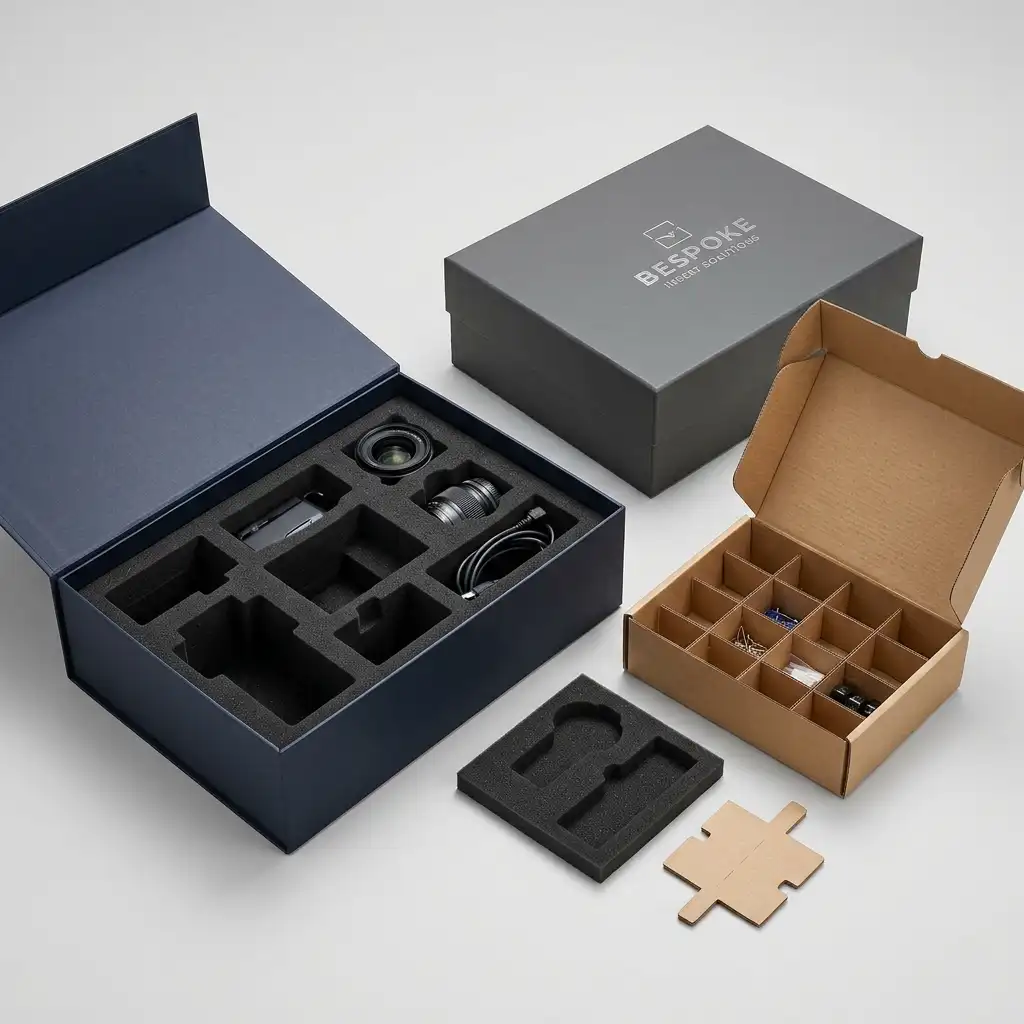
When a package contains several products, keeping everything properly arranged can be just as important as protecting the contents. Loose accessories, different-sized components and delicate items can become difficult to manage inside a standard cardboard box. Custom Storage Boxes with Inserts provide a more organised solution by combining an outer container with internal sections designed around individual products.
Canadian businesses can use this packaging for product collections, electronic accessories, corporate gifts, beauty kits and retail merchandise. Instead of placing everything together, each item receives a designated position within the box. This approach makes products easier to organise, present and access. CustomPrintingServices helps businesses explore cardboard packaging configurations based on their product measurements, storage requirements and branding preferences. From simple divider arrangements to fitted multi-compartment inserts, the design can be developed around the contents rather than forcing products into a standard layout.
Key Benefits of Custom Storage Boxes with Inserts
An organised interior can make a noticeable difference in how products are stored, handled and presented.
- Individual Product Placement: Dedicated sections keep separate items arranged instead of allowing them to collect at the bottom of the box.
- Reduced Contact Between Products: Dividers help minimise direct contact, which can be useful for delicate accessories and finished surfaces.
- Efficient Product Arrangement: Multiple components can be packed together without losing their individual positions.
- Improved Unboxing Experience: A structured interior creates a neat presentation when customers open the packaging.
- Consistent Packing Process: Defined compartments help employees follow the same arrangement when preparing product kits.
- Additional Storage Value: Suitable box constructions can be reused to keep accessories and components organised after purchase.
Packaging Solutions for Different Applications
The configuration of an insert should reflect the type of products being packed. A beauty collection, for example, requires a different internal arrangement from an electronic accessory kit.
- Beauty Product Collections: Separate cavities can accommodate serum bottles, skincare jars, makeup products and beauty accessories.
- Electronic Kits: Compartments can keep cables, chargers, adapters and small devices separated within one package.
- Corporate Gift Packaging: Multiple promotional items, branded stationery and business accessories can be arranged as a coordinated set.
- Jewellery Packaging: Individual sections help organise rings, bracelets, earrings and other small accessories.
- Candle and Fragrance Sets: Fitted supports can position candle jars, fragrance bottles and related accessories.
- Subscription Collections: Different products can be arranged in one box while maintaining a consistent presentation.
- Industrial Parts Storage: Dividers can separate small fittings, hardware components and other items that need organised storage.
Businesses should consider the number of products, their dimensions and the way customers will remove them when planning the internal layout.
Material Options & Packaging Performance
The material used for the outer box determines much of its structural performance, while the insert material influences how individual products are supported.
| Material | Main Features | Suitable Applications |
| Kraft Paperboard | Natural appearance and practical rigidity | General storage and gift sets |
| White Paperboard | Smooth surface for printed graphics | Retail and beauty collections |
| Solid Paperboard | Uniform structure and clean presentation | Multi-product packaging |
| Corrugated Cardboard | Fluted construction with additional support | Shipping and heavier contents |
| Rigid Chipboard | Thick and firm construction | Premium presentation packaging |
| Recycled Paperboard | Incorporates recovered paper fibres | Suitable general packaging |
Internal insert options can include:
- Die-Cut Paperboard: Creates individual cavities for products with defined shapes.
- Corrugated Dividers: Separate components and provide additional structural support.
- Folded Cardboard Trays: Create organised compartments using folded paperboard.
- Molded Pulp: Offers shaped cavities for products requiring specific positioning.
- Foam Inserts: Provide cushioning for delicate products and sensitive components.
The best combination depends on product weight, fragility, storage conditions and the expected handling environment.
Printing & Branding Technology
A storage box does not need to look purely functional. Its exterior can communicate brand identity, while the interior can be designed to complement the products inside.
Printing options can include:
- CMYK Printing: Suitable for colourful artwork, illustrations and product photography.
- Pantone Printing: Helps reproduce selected brand colours consistently.
- Digital Printing: Accommodates shorter production runs and multiple artwork versions.
- Offset Printing: Supports detailed and consistent printing for larger quantities.
Logos, product names, instructions, QR codes and promotional graphics can all be considered during artwork development. Explore our custom printing services to plan branded packaging for your product collections.
Finishing & Surface Treatments
Finishing choices can change the overall character of storage packaging. A simple matte surface may suit everyday product kits, while decorative treatments can create a more distinctive presentation.
Common options include:
- Matte Lamination: Provides a smooth, understated surface.
- Gloss Lamination: Creates a reflective finish that enhances colour appearance.
- Spot UV: Adds selective shine to logos and design details.
- Foil Stamping: Introduces metallic accents to selected artwork.
- Embossing: Raises lettering or graphics above the surface.
- Debossing: Creates recessed design details.
The final treatment should be selected according to the board type, printing requirements and intended packaging application.
Structural Styles & Box Types
The outer structure determines how the packaging opens and closes, whereas the insert controls the arrangement of the contents.
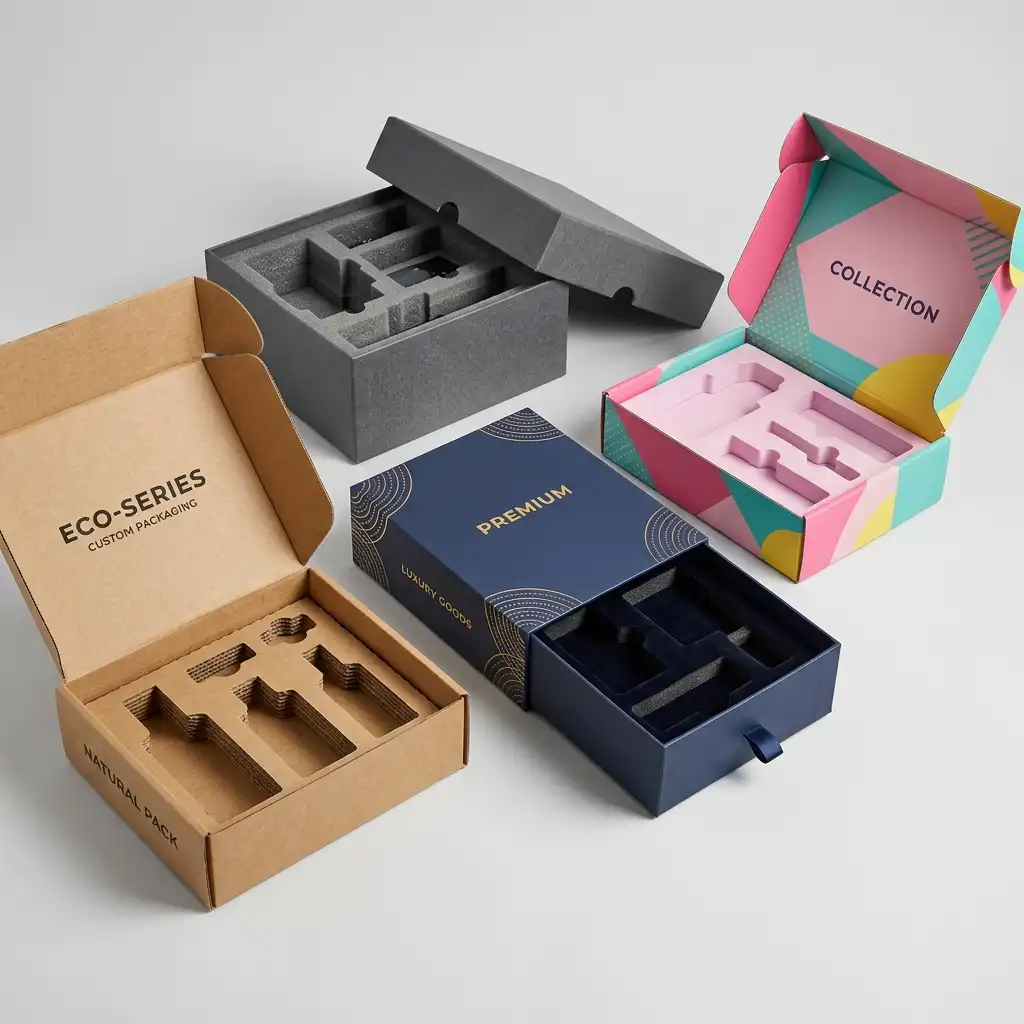
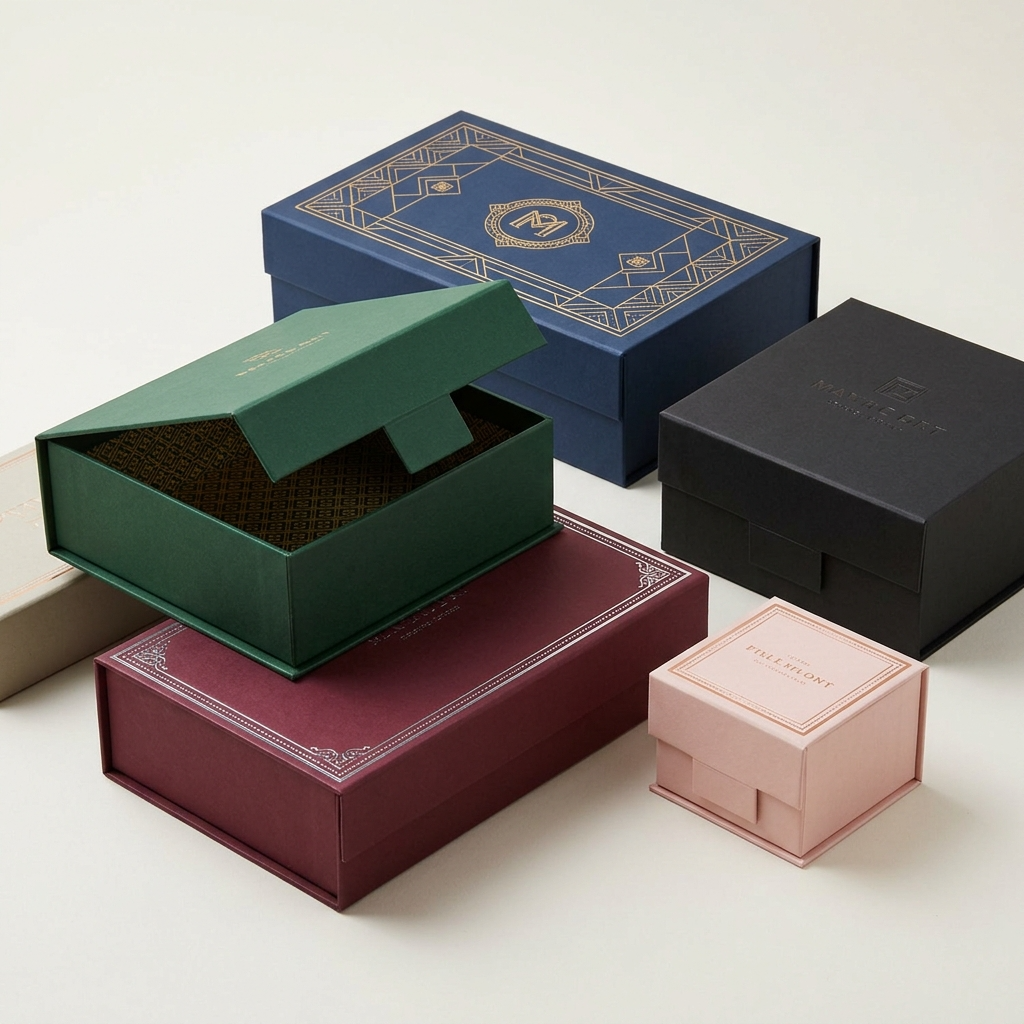
- Magnetic Closure Boxes: Feature a hinged flap and magnetic fastening for organised gift and presentation sets.
- Two-Piece Boxes: Separate lids and bases allow straightforward access to the contents.
- Drawer Boxes: Use a sliding inner tray that makes individual products easier to retrieve.
- Hinged Lid Boxes: Keep the lid attached to the main structure for repeated opening.
- Mailer Boxes: Self-locking constructions suitable for selected e-commerce product kits.
- Folding Cartons: Lightweight options for smaller retail collections.
Internal configurations can include removable trays, individual cavities, cross-dividers, layered compartments and custom-shaped supports. The selection should reflect how the box will be used rather than relying on appearance alone.
Technical Specifications
The following details help establish the construction of the complete packaging system.
| Specification | Details to Confirm |
| Outer Dimensions | Internal length, width and height |
| Box Material | Kraft, paperboard, corrugated or rigid board |
| Board Thickness | Based on weight and structural needs |
| Insert Material | Cardboard, corrugated, molded pulp or foam |
| Compartment Count | Number of individual sections |
| Cavity Dimensions | Width, depth, length and clearance |
| Printing | CMYK, Pantone or digital |
| Finishing | Matte, gloss, foil or spot UV |
| Closure | Magnetic, hinged, tuck-end or separate lid |
Accurate internal measurements are essential. Product wrapping, accessories and the clearance needed for easy removal should also be considered.
Packaging Engineering Considerations
The insert must support the products without making the packaging unnecessarily complicated. If a compartment is too wide, its contents may move during handling. If it is too narrow, products may become difficult to remove or may experience unwanted pressure.
Begin by measuring every item separately, including caps, handles and protruding components. Next, determine the position of each product and consider how its weight will be distributed across the base. Heavier components may require stronger support, while delicate products may need additional cushioning.
For layered packaging, the distance between trays should allow sufficient room for products without putting pressure on the lower compartments. Shipping applications require additional assessment of the outer box, insert stability and transportation conditions.
Developing a prototype before full production can help identify incorrect cavity dimensions, loose dividers and assembly problems.
Design & Prepress Guidelines
Both the exterior artwork and insert layout should be considered during the design stage.
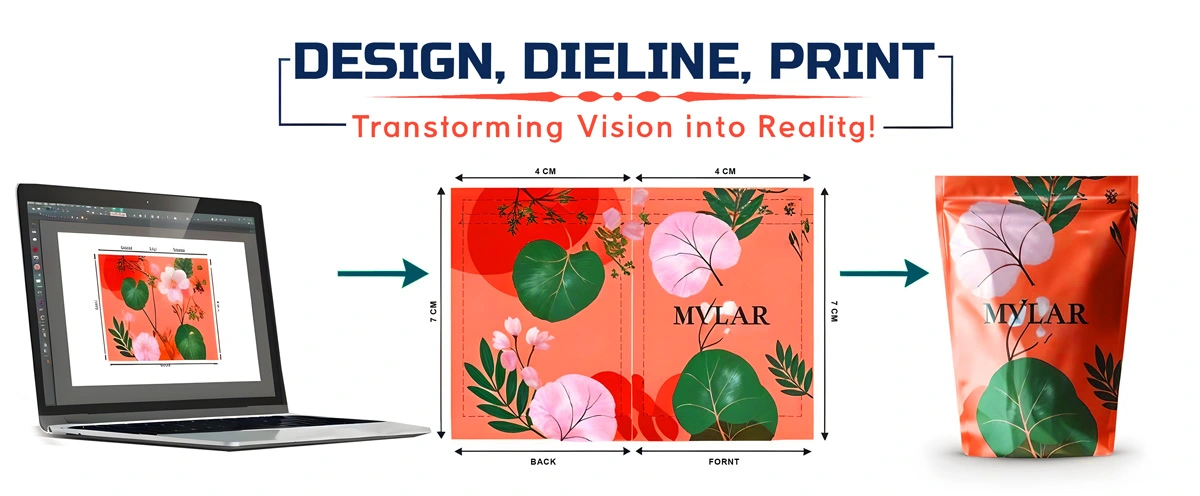
- Obtain accurate dielines for the outer box and internal insert.
- Confirm all compartment measurements using actual products.
- Keep essential artwork away from cutting and folding areas.
- Include the required bleed around background graphics.
- Supply vector logos and high-resolution images.
- Maintain readable text sizes across smaller panels.
- Check artwork alignment after folding and assembly.
- Review the assembled packaging design before production approval.
A product placement diagram can also help communicate the intended arrangement of different components.
How to Order Custom Storage Boxes with Inserts
Preparing product information in advance makes it easier to develop an appropriate packaging configuration.
- Identify the Products: List the items, accessories and components that need to be stored together.
- Provide Measurements: Share individual product dimensions and quantities.
- Select the Outer Structure: Decide between a magnetic closure, two-piece box, drawer box or another suitable construction.
- Plan the Inserts: Determine compartment sizes, positioning and preferred materials.
- Submit Branding Details: Provide your logo, artwork, colours and printing preferences.
- Approve the Specifications: Review the final design, dimensions and quotation before production.
You can request a custom packaging quote by sharing your product details and estimated order quantity.
Quality Assurance & Compliance
A storage box with inserts should be inspected as a complete unit. Checking only the exterior does not establish whether the internal compartments will perform correctly.
Quality considerations include board consistency, cutting accuracy, insert alignment, adhesive application, cavity dimensions and closure performance. Printed surfaces should also be reviewed for colour consistency and correct artwork placement.
For specialised products, material selection must reflect the intended application. Food-contact packaging, for example, requires appropriate materials and consideration of applicable Canadian food safety requirements.
For project-specific questions, contact our packaging team to discuss the construction and intended use.
Sustainability Commitment
Material selection can influence how easily packaging is handled and disposed of after use. Businesses may consider paperboard dividers, corrugated inserts and molded pulp where these materials provide suitable product protection.
Recycled paperboard can also be considered for compatible applications. However, the complete construction matters. Foam inserts, plastic laminations, specialised coatings and mixed materials may affect recycling options.
Using appropriately sized compartments and avoiding unnecessary packaging components can help reduce material use. Businesses should also check local Canadian recycling guidelines before making claims about recyclability.
Why Invest in Custom Storage Boxes with Inserts?
When products are sold together, their arrangement becomes part of the packaging experience. A well-planned insert helps keep components separated, creates a consistent presentation and makes multi-item collections easier to manage.
For businesses offering gift sets, electronics kits, beauty collections or promotional merchandise, this packaging can also simplify product assembly and inventory organisation.
The investment is not just in the outer box. It is in creating a packaging system where the container, internal compartments and product arrangement work together. Choosing suitable materials and accurate dimensions can help businesses achieve a practical solution without unnecessary packaging complexity.
Why Choose CustomPrintingServices?
CustomPrintingServices helps businesses explore packaging options based on their products, branding and functional requirements. Selecting an appropriate box structure and insert configuration is an important part of developing packaging that works beyond its appearance.
Whether you are preparing a multi-product gift collection, organising electronic accessories or developing retail packaging with individual compartments, the design should begin with the actual contents.
Explore our custom packaging solutions to learn more about available packaging options. You can also email our team with product measurements, photographs and your preferred insert arrangement.
Frequently Asked Questions
1. What are custom storage boxes with inserts used for?
They are used to organise multiple products inside one container. Internal compartments help separate individual items, maintain their positions and create a structured arrangement for storage or presentation.
2. Can I have different compartment sizes in the same box?
Yes. Insert layouts can include multiple cavity sizes to accommodate products with different shapes and dimensions. The arrangement should be based on the actual contents.
3. Which insert material is suitable for delicate products?
Foam and molded pulp can provide shaped support and cushioning, while cardboard and corrugated inserts can help separate and position products. The appropriate option depends on the product’s fragility and handling requirements.
4. Can these boxes be used for corporate gift sets?
Yes. They can accommodate promotional merchandise, branded stationery, accessories and other business gifts in a coordinated arrangement.
5. Are the internal inserts removable?
Yes. Removable trays and dividers can be incorporated when flexible storage or easier access to individual products is required.
6. Can I print my logo on the box and inserts?
Branding can be applied to compatible exterior and interior surfaces. Available printing and finishing options depend on the material and construction.
7. Are storage boxes with inserts suitable for shipping?
They can be designed for selected shipping applications. The outer box, insert and cushioning should be assessed together according to product weight, fragility and transportation conditions.
8. Can these boxes be made using recyclable materials?
Paperboard, corrugated cardboard and molded pulp may offer suitable fibre-based options. However, actual recyclability depends on the complete packaging construction and local recycling facilities.
9. What details are required to request a quotation?
Provide the outer box dimensions, individual product measurements, number of compartments, preferred materials, printing requirements and estimated quantity. Product photographs or an existing packaging sample can also help explain your requirements.
Variety Of Options Available For Custom Storage Boxes with Inserts
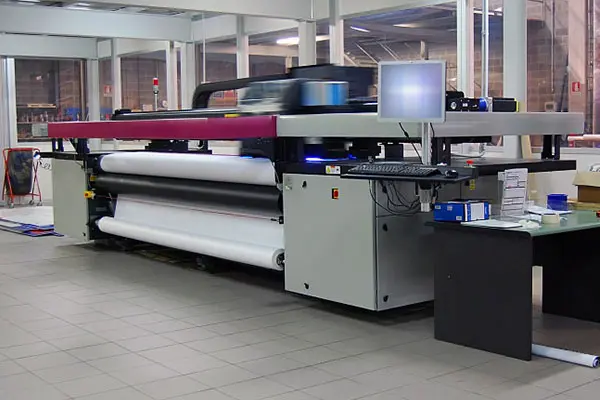
Digital Printing
This printing method prints your artwork directly from a file, with no plates or setup. It is the best choice for short runs, test batches, and detailed multi-color designs.
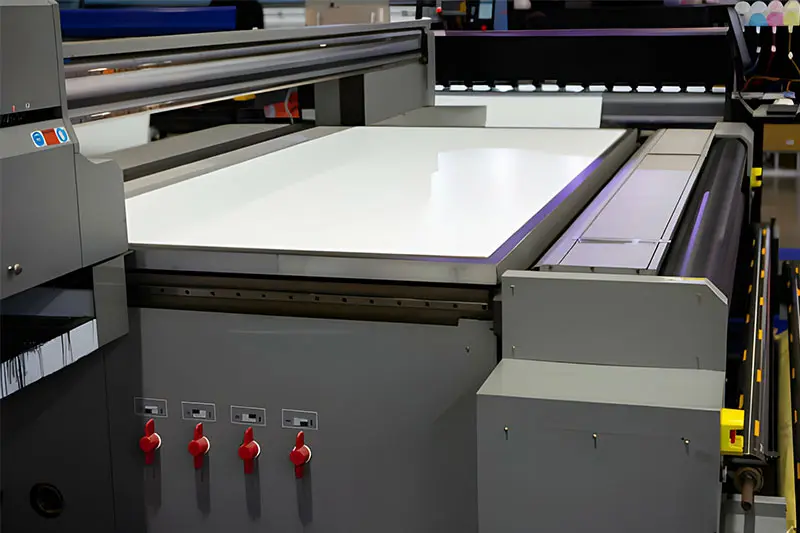
UV Printing
In UV printing, ultraviolet light cures the ink instantly, so prints come out bright, glossy, and durable. It suits small to mid-size runs with fine detail and quick turnaround.

Gravure Printing
In this method, engraved cylinders transfer ink with exceptional detail and colour consistency. It is the most cost-effective method for large production runs and premium, intricate designs.
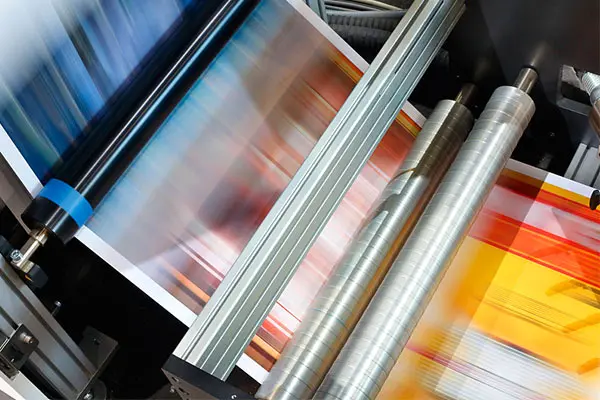
Offset Printing
Offset printing delivers sharp, precise graphics and vivid colour. It works well for paper-based packaging, sleeves, and labels where logos and fine text must look crisp.

Flexographic Printing
In flexography, flexible plates carry the ink to the material. It is fast and efficient for high-volume orders with bold colors and short lead times.
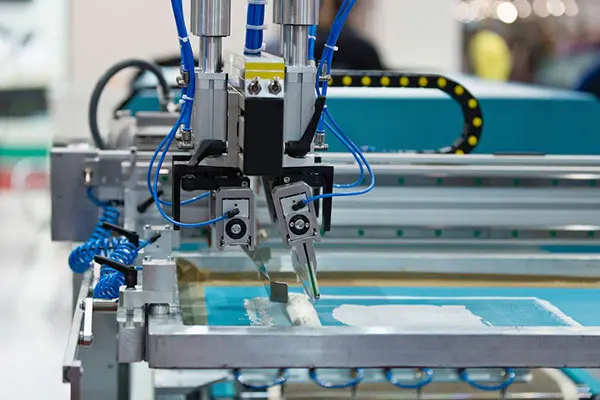
Screen Printing
A stencil applies thick, opaque ink for bold designs and solid colors. It suits simple artwork and smaller runs, though it takes more hands-on Laboure.

Solvent-Based Inks
These bond tightly to glossy, non-porous films. They offer strong color, abrasion resistance, and protection against handling and shipping wear.
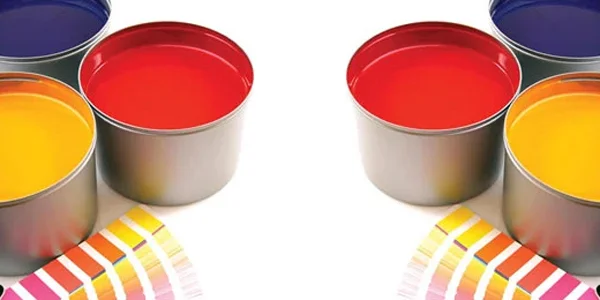
Water-Based Inks
A lower-VOC, more environmentally friendly option with bright color. On non-porous films, they may need pre-treatment or a protective varnish.

UV Inks (Ultraviolet Cured Inks)
UV inks are cured instantly under UV light for vivid colour and a tough, scratch-resistant finish. They are excellent for detailed, high-quality artwork.
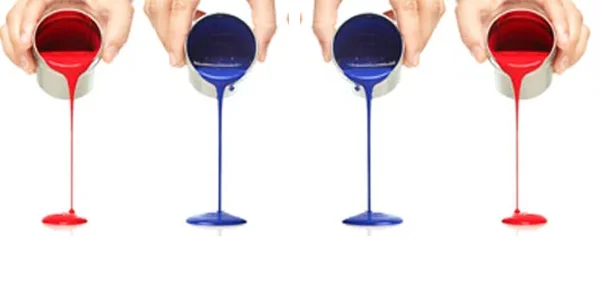
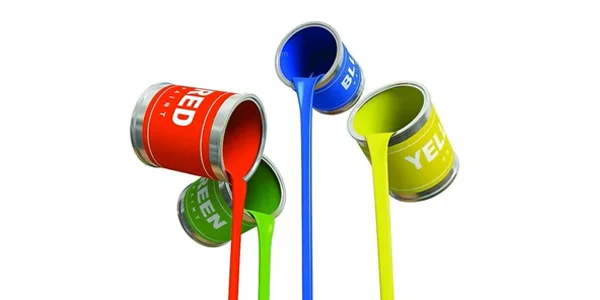
Flexographic Inks
Water- or solvent-based inks formulated for flexo presses. They dry quickly, cover well, and keep color consistent across large runs.
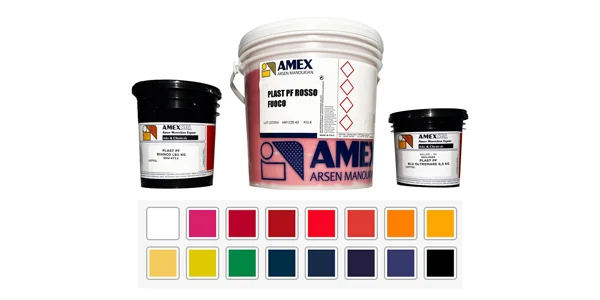
Gravure Inks
Solvent-based inks designed for dense, rich, highly detailed prints. They hold up well on long production runs.
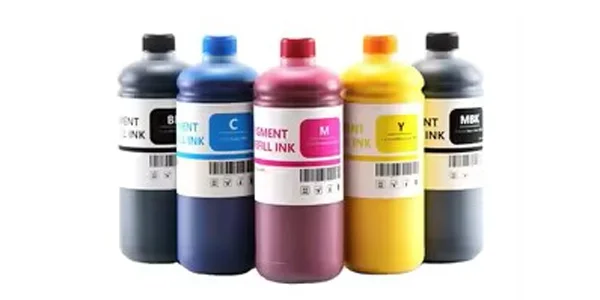
Plastisol Inks
Thick, opaque, and very durable, but they need heat to cure properly. They are best for small runs and special effects.
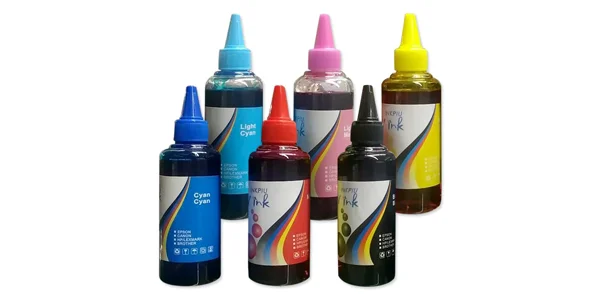
Pigment-Based Inks
Solid pigment particles give long-lasting color that resists fading, water, and light. They suit packaging that must look new for a long time.
Dye-Based Inks
Offer bright, vivid color with good transparency. They are less resistant to UV and wear, so they are best for indoor or short-term use.
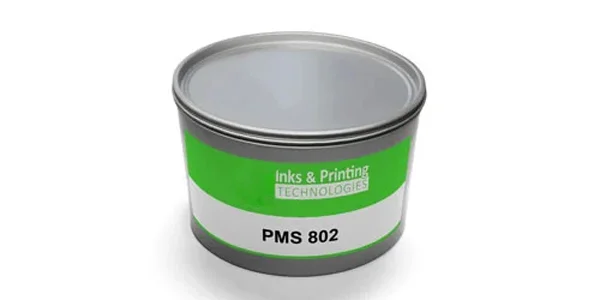
Fluorescent Inks
Bold neon and pastel shades that stand out, especially under UV light. They are eye-catching but fade faster than standard inks.

Pantone Inks
Exact color matching for logos and brand palettes. Your packaging looks the same from one order to the next.

Gloss Finishing
It gives a shiny and light-reflecting surface that makes colors pop and draws the eye on the shelf.
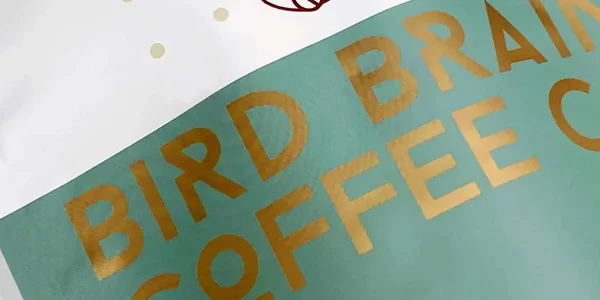
Matte Finishing
Matte finish has a smooth, non-reflective surface with a refined, modern feel.
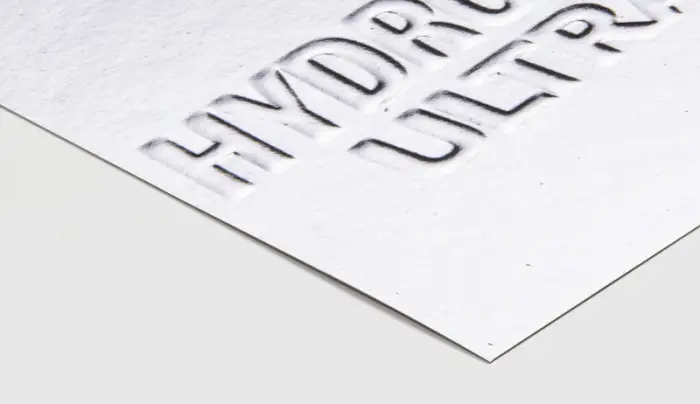
Blind Embossing
Blind embossing creates a raised, 3D motif on the front of the packaging material without using any ink or foil. This technique relies entirely on pressure to add a sophisticated, tactile element to your design.
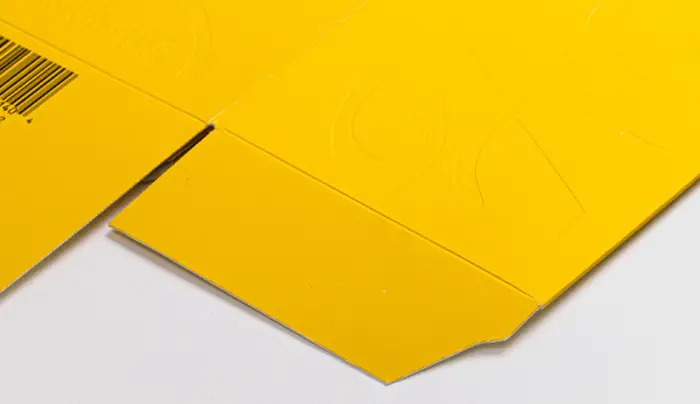
Blind Debossing
In this method, a recessed (sunken) motif is pressed into the front of the packaging material. It offers a subtle, elegant way to add texture and depth to your brand logo or design.
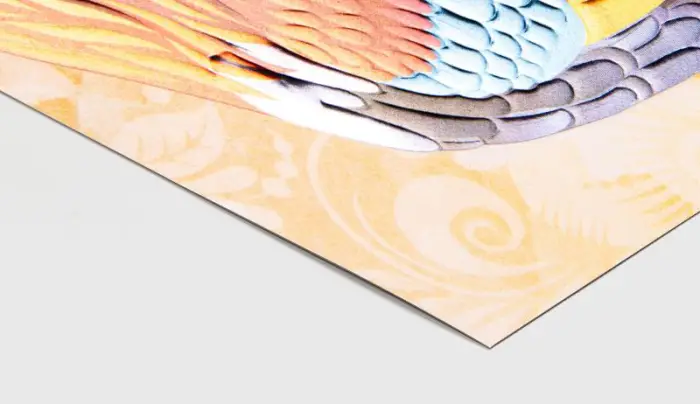
Registered Embossing
Here, the die is pressed from the back of the material to create a raised motif. This technique is typically used to perfectly align the raised area with a pre-printed graphic or text on the front.
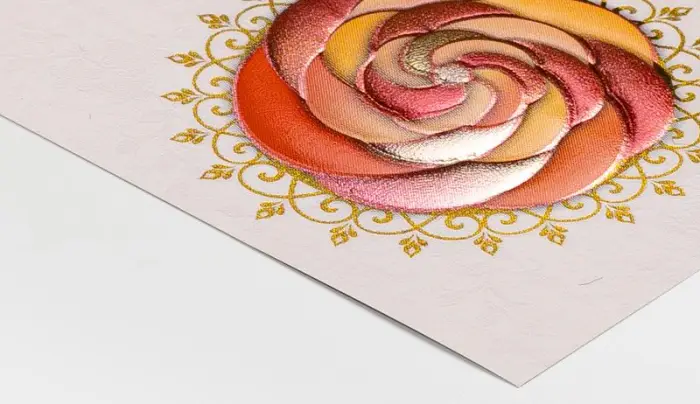
Combination Embossing
Combination embossing creates a raised 3D motif that features metallic foil on top. It is a premium technique that combines the depth of embossing with the striking visual impact of foil stamping.
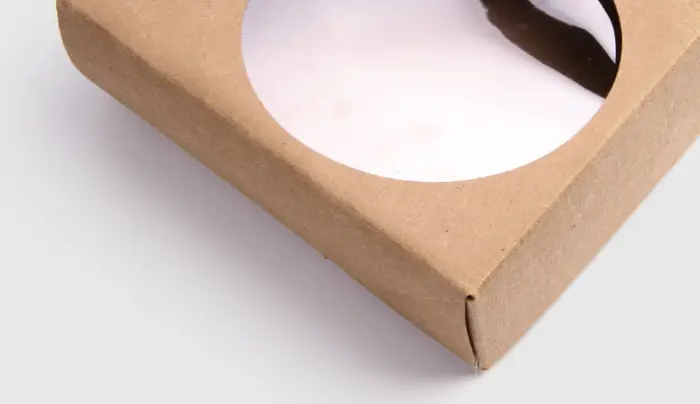
Window Patching

Brown Kraft
It gives a natural, rustic look that signals sustainability and environmental responsibility.
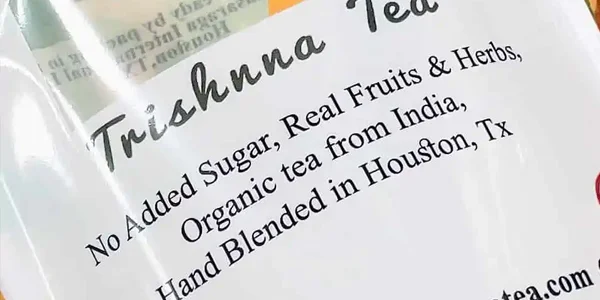
Gloss-Clear
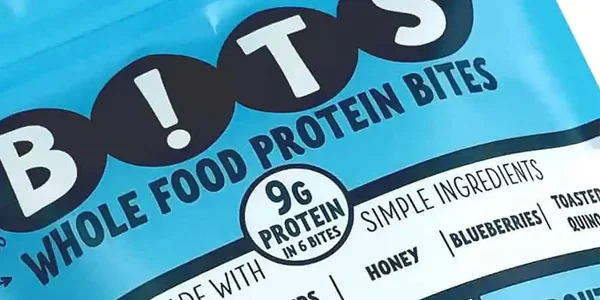
Gloss clear finishing gives a shiny, transparent surface that shows off the product while keeping a polished look.
Clear-Matte
A soft, frosted-looking transparent finish. It balances visibility with a premium feel.

Foil-Holographic
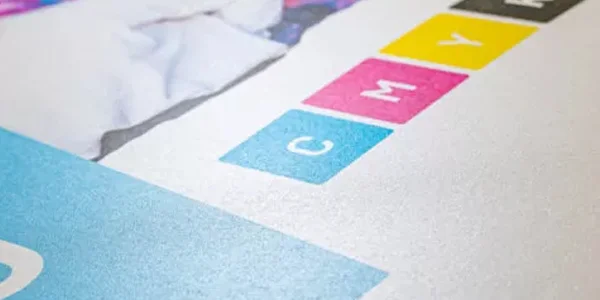
It gives a rainbow-shifting effect that changes with the light. It is bold, modern, and hard to ignore.
Pearlescent Coating
Pearlescent is a soft, shimmering sheen like a pearl. It adds elegance without being flashy.

Soft-Touch Coating
It is a velvety, smooth finish that customers notice the moment they pick the package up.

Frosted Effect
Frosted effect finishing gives a hazy, semi-transparent look that suits luxury and delicate products.
Glow-in-the-Dark Coating
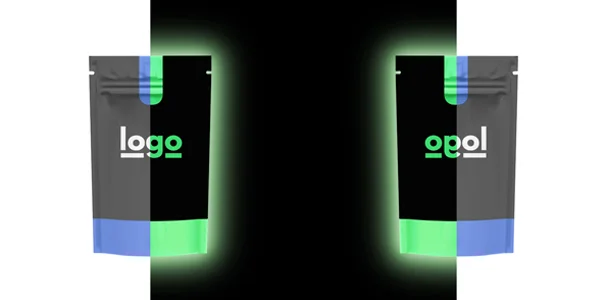
Phosphorescent ink that glows after light exposure. It works for novelty packaging and can also help with brand authentication.
Scented Coating
Releases a pleasant aroma when the package is opened. It suits candles, fragrances, and food products.

Textured Film
Embossing, debossing, and foil stamping add depth to logos and text. They make the product feel more valuable.
Anti-Scratch Coating
A protective layer that resists scuffs and scratches. It keeps packaging looking new on the shelf and in transit.
We Provide You With Value Services
Customprintingservices.ca provide not only high-quality packaging, but also services that make you worry-free.
Transparent Packaging Services
We clearly state the prices of what you are getting from us and use and produce what we claim.
Post-Delivery Services
To ensure you have received the accurate product, we follow up with the help of our customer care team.
Unlimited Customization Options
Get your packaging boxes in style, material, and design with our unlimited customization options and ace the market like a pro.
Sustainable Packaging Options
Enjoy sustainable eco-friendly material options and give your product an organic, rustic, and attractive look.
How We Work
To ensure that every one of our clients receives personalized packaging that will spectacularly outshine its products, we follow to the highest standards of precision throughout the whole production process. No matter what you're selling, our dependable packaging are made with high-quality materials and produced in an efficient factory.
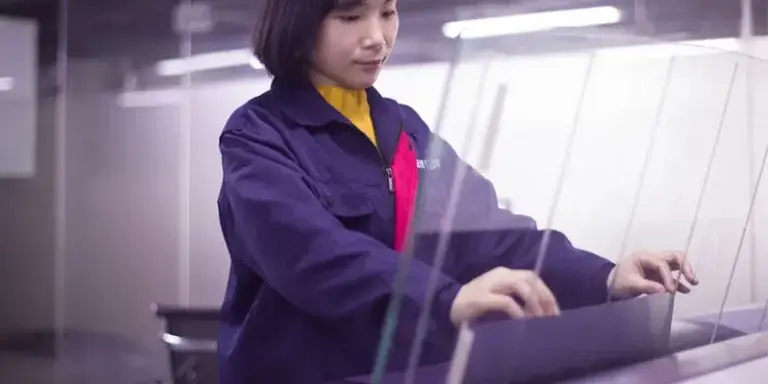
Material Selection
Our manufacturing process begins with selecting high-quality materials, such as kraft paper, corrugated cardboard, and rigid paperboard, to create durable custom packaging boxes that protect your products and present your brand professionally.
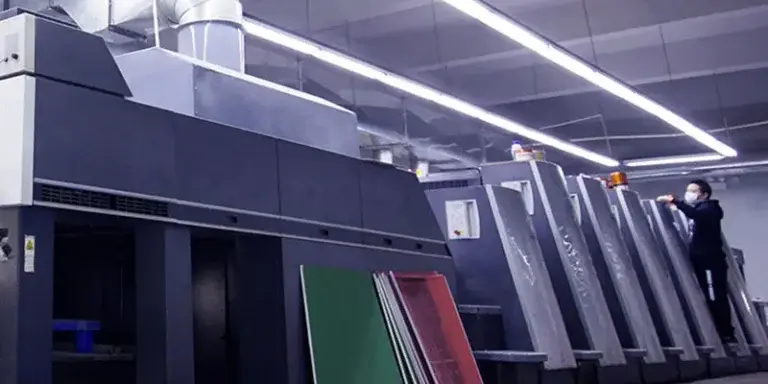
Printing
The selected materials are printed with custom designs, brand logos, and product information using advanced digital, offset, or flexographic printing techniques to achieve sharp details, vibrant colors, and professional results that bring your packaging to life.
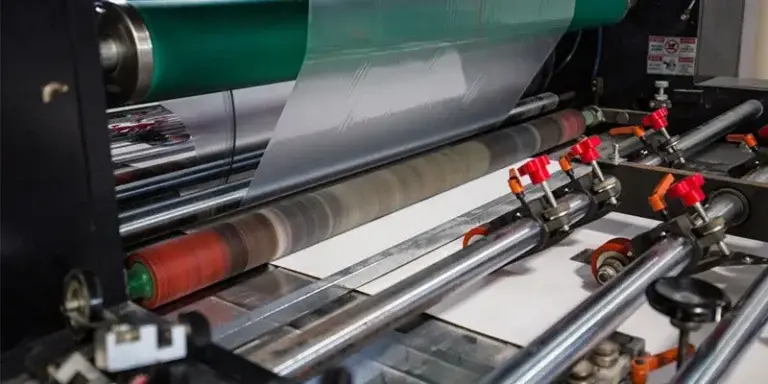
Extrusion and Coating
The selected paperboard or corrugated material is cut, scored, and prepared according to your box dimensions and design specifications. This process helps create sturdy custom packaging boxes that provide reliable product protection and a clean, professional finish.
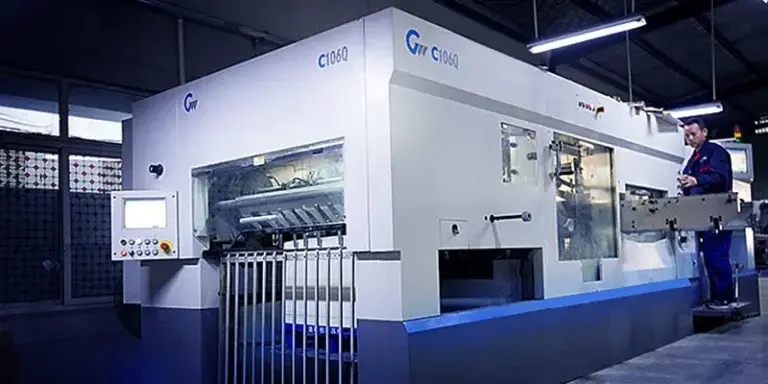
Cutting and Shaping
The printed material is then cut into the desired shapes and sizes, with each piece carefully measured to ensure consistency in the packaging dimensions.
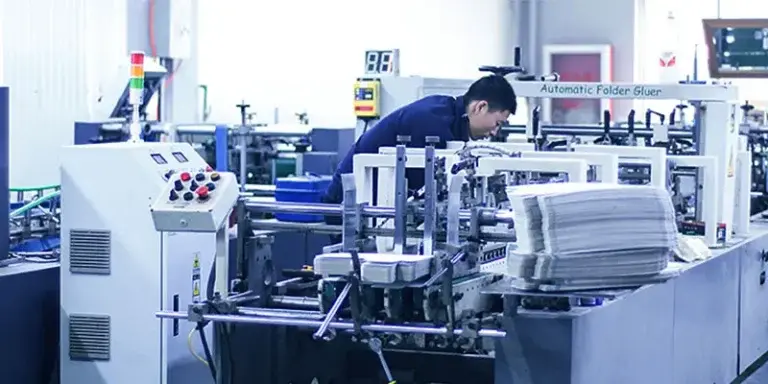
Box/Packaging Formation
The cut and scored materials are folded and assembled to create the desired box structure. Depending on the box style, this process may involve gluing, locking tabs, or folding panels to ensure a secure fit, sturdy construction, and a professional finish.
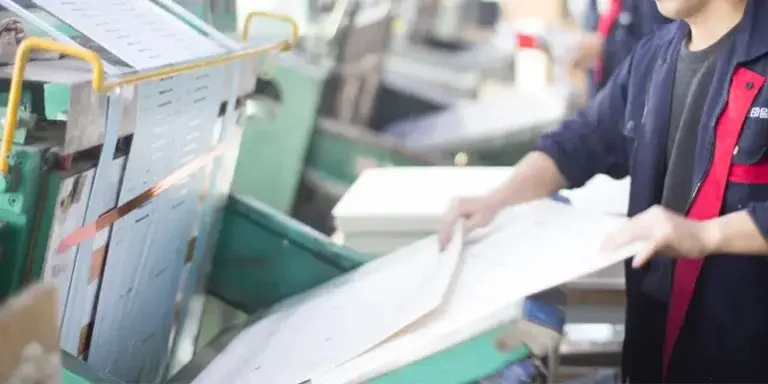
Quality Control and Packaging
Finally, the packaging are inspected for defects, ensuring proper sealing and printing quality before packing them for shipment.
Clients Speak About Us
Thanks for always trusting and supporting us.
Never been more satisfied with the quality of custom bags than this time. customprintingservices.ca is the best option if you need quality at lower rates.

Edward Ryan
Verified CustomerCustom Printing Services is my long-term packaging partner. They serve me with amazing designs of high quality in just a week. Thumbs up!
Anthony
Verified CustomerJust received my custom kraft mylar bags from them and was amazed by the quality and attention to detail in the design of the bags. 100 % satisfied.
Joseph Paul
Verified CustomerRelated Products
Get professional packaging and printing to boost your branding and marketing.
 In Stock
 In Stock
 In Stock
 In Stock
 In Stock
 In Stock
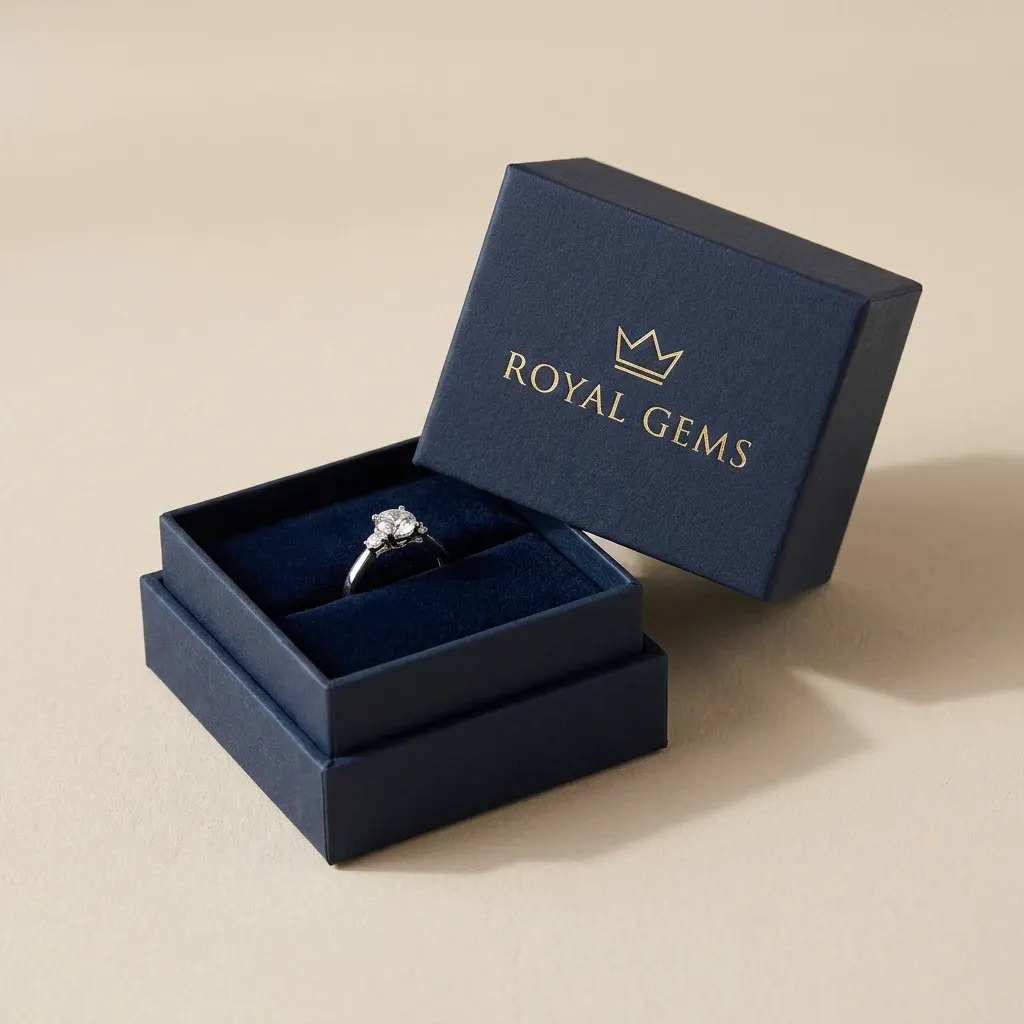 In Stock
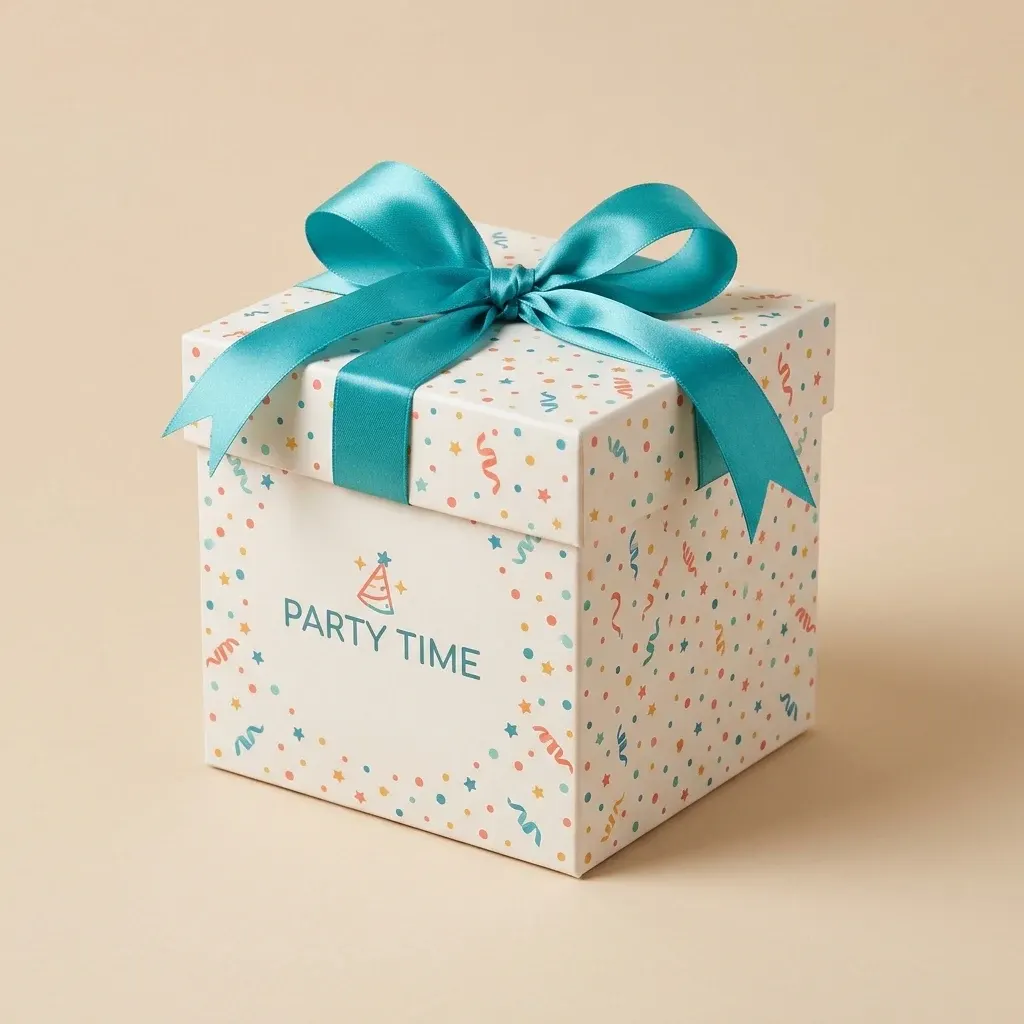 In Stock
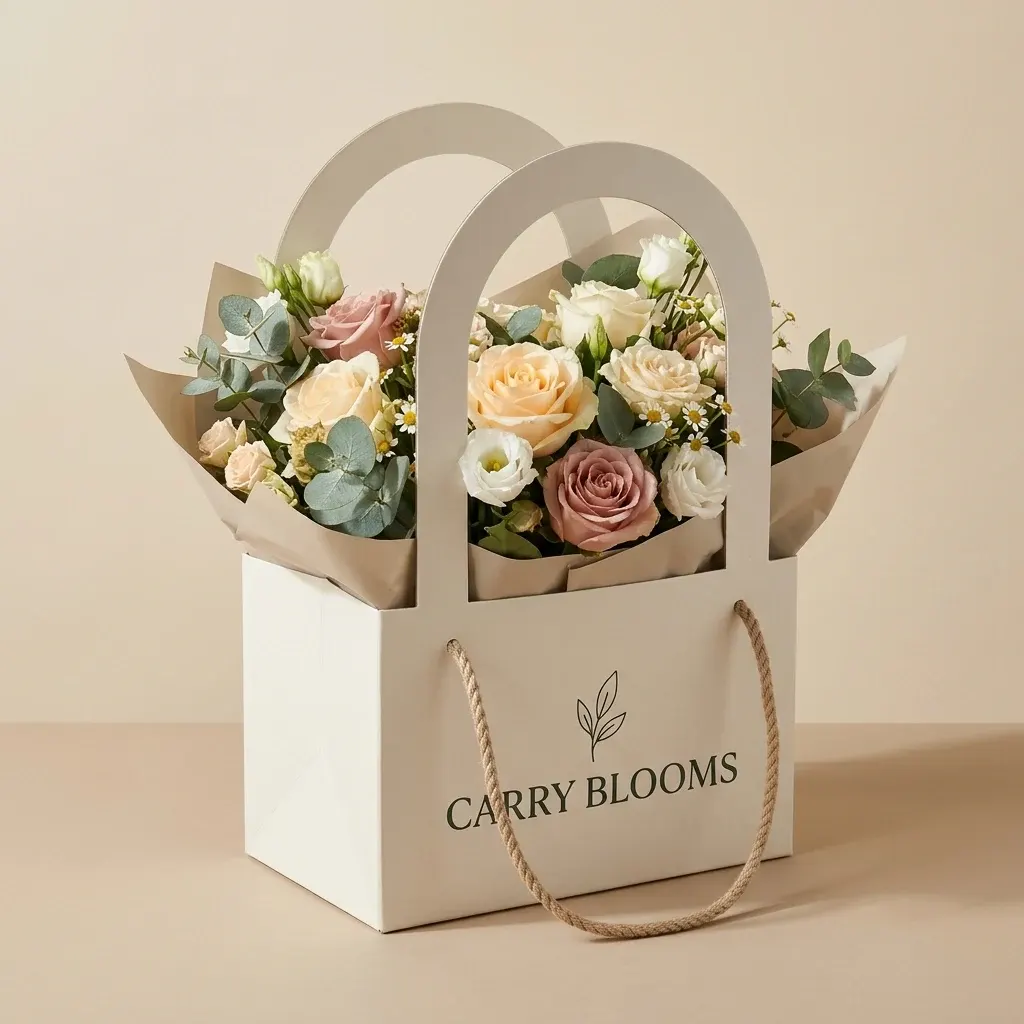 In Stock
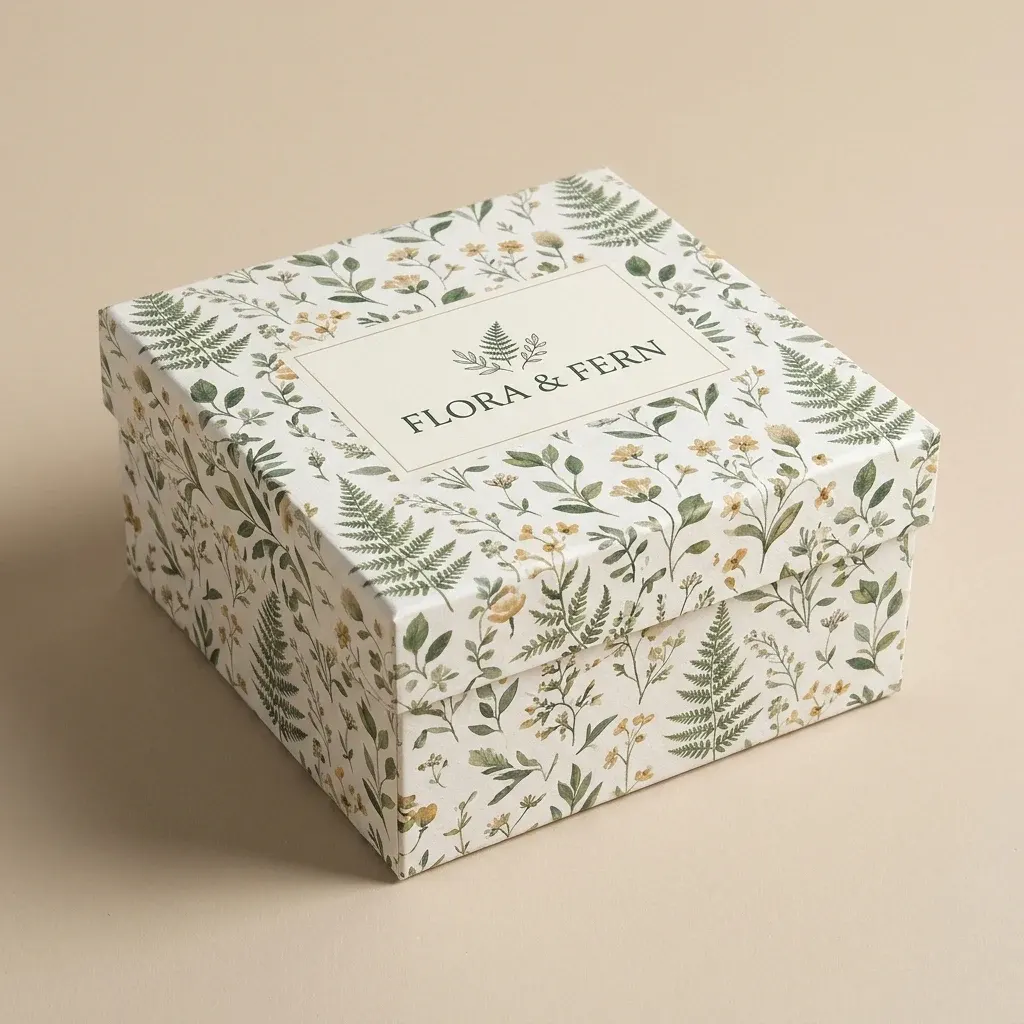 In Stock
 In Stock
 In Stock
 In Stock
 In Stock
 In Stock
 In Stock
 In Stock
 In Stock
 In Stock
 In Stock
 In Stock
 In Stock
 In Stock
 In Stock
 In Stock
 In Stock
 In Stock
 In Stock
 In Stock
 In Stock
 In Stock
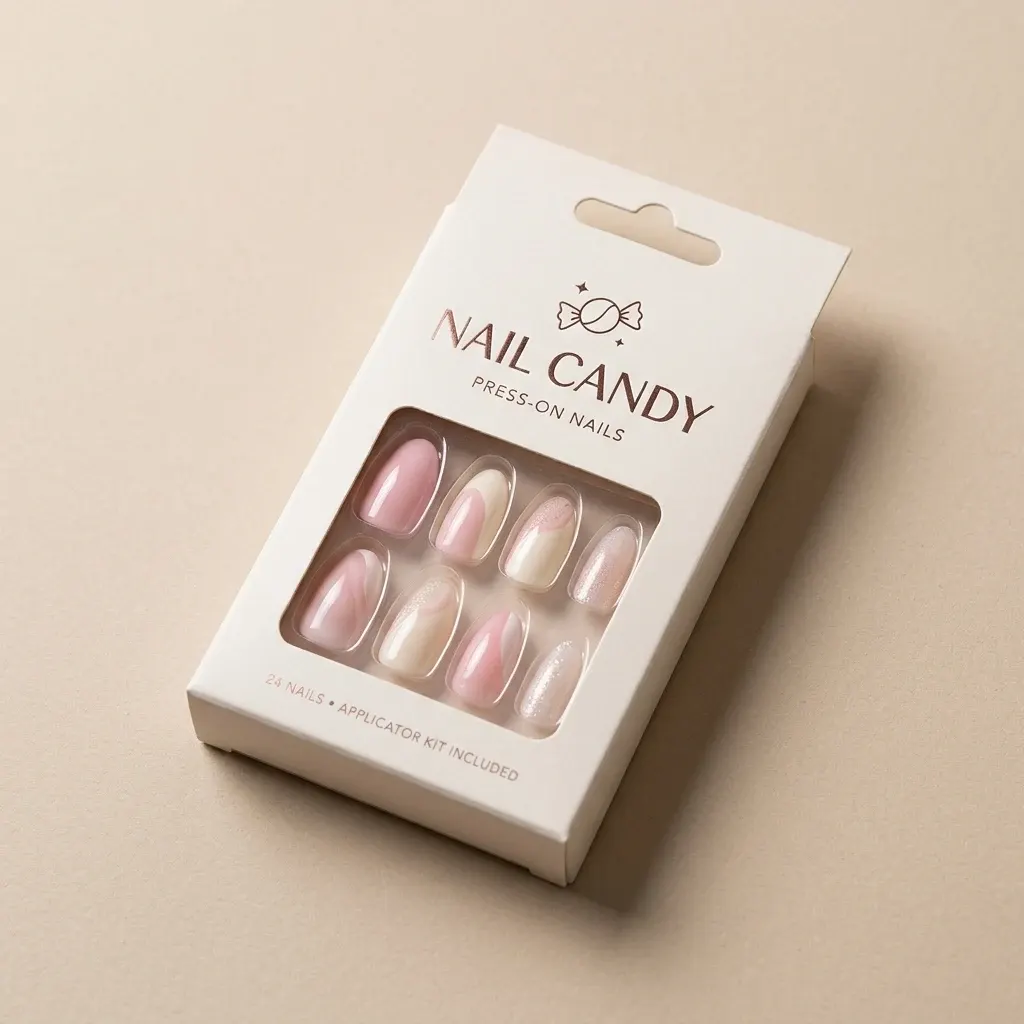 In Stock
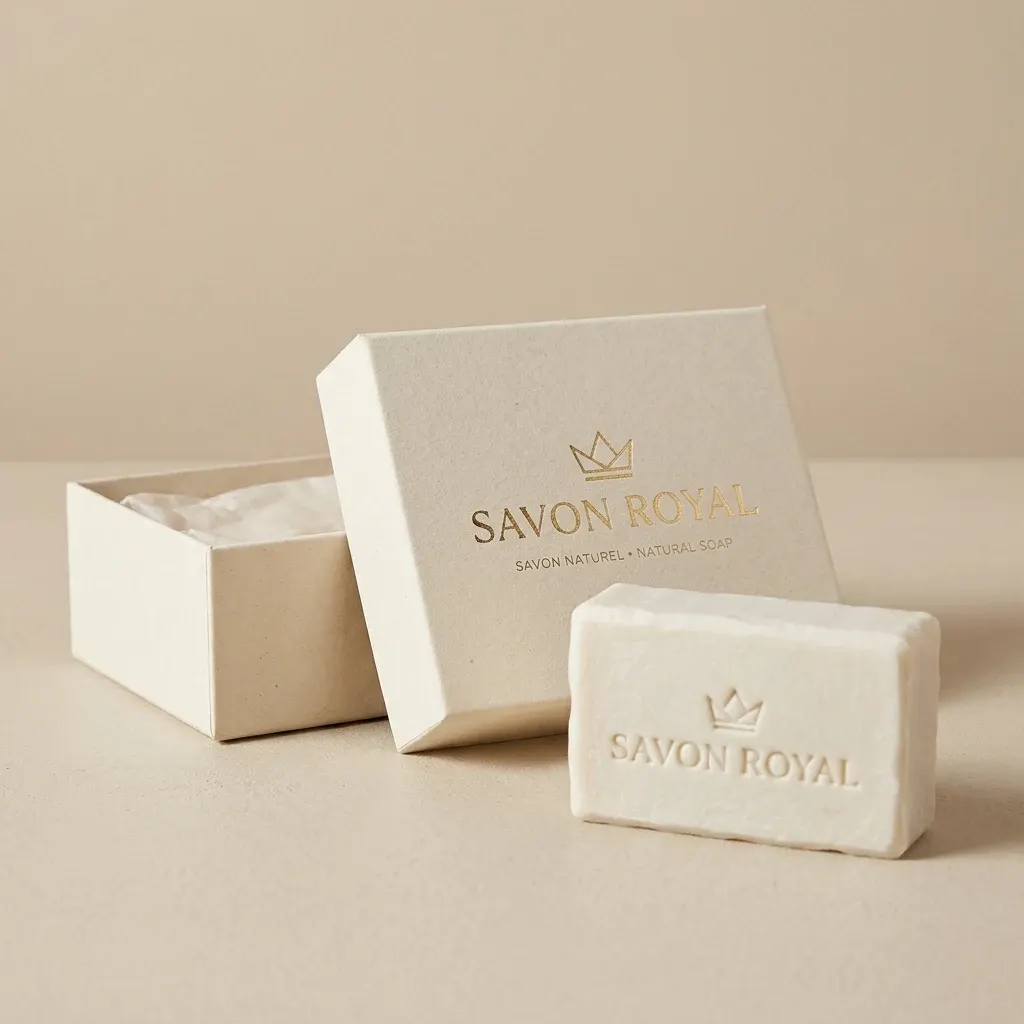 In Stock
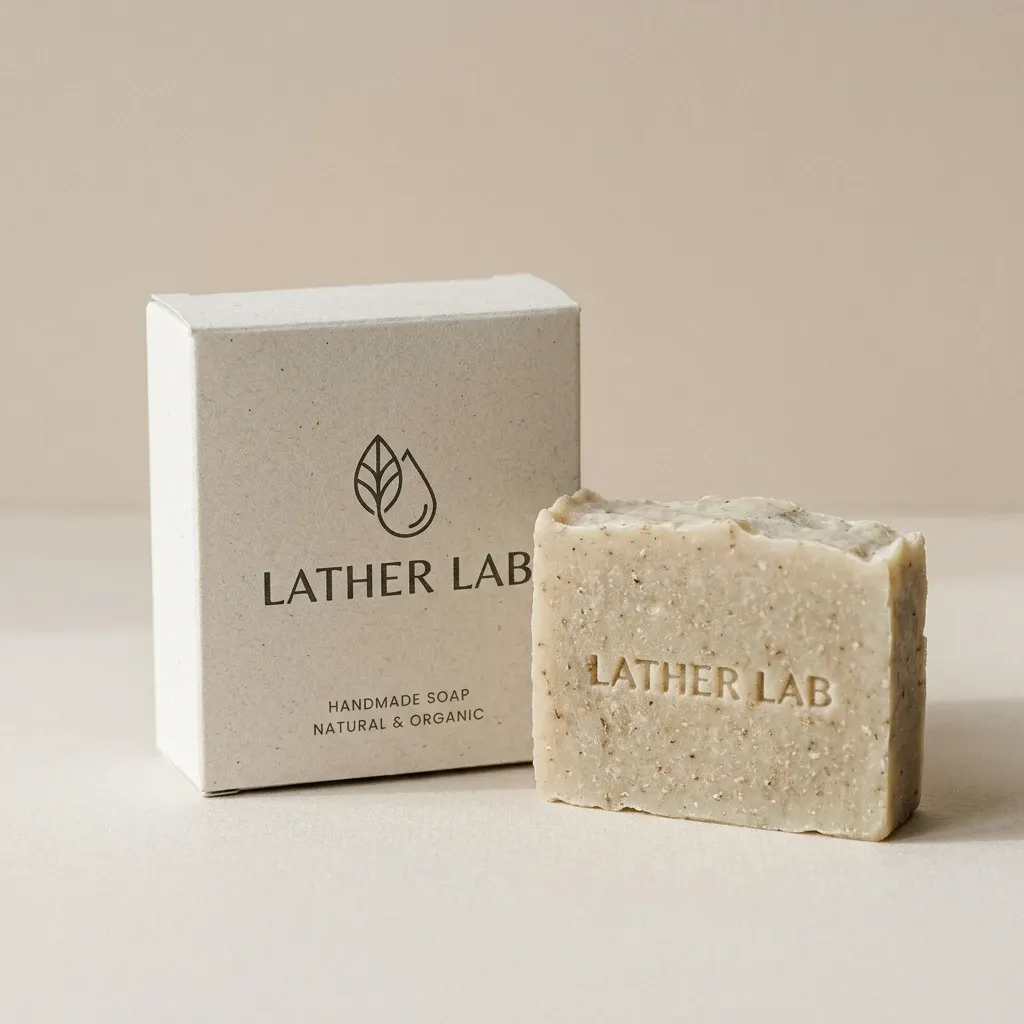 In Stock
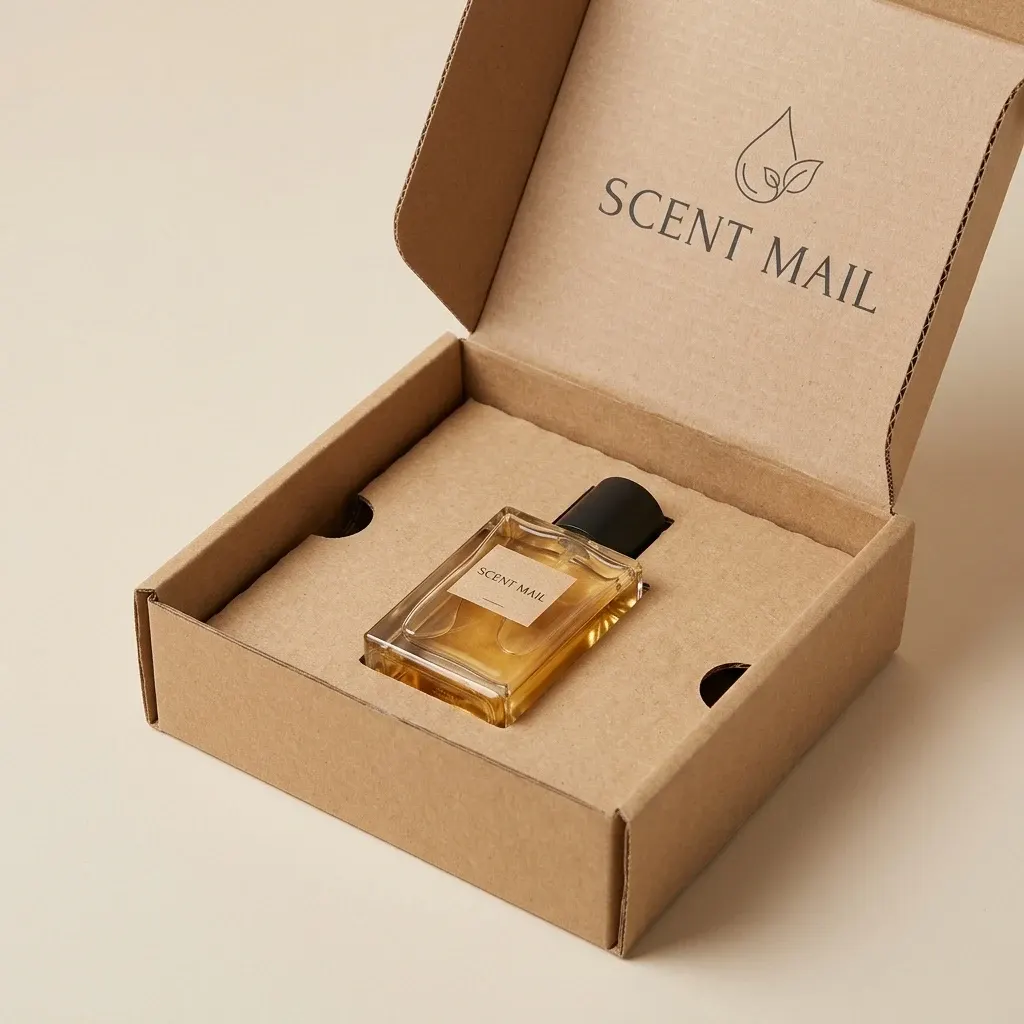 In Stock
 In Stock
 In Stock
 In Stock
 In Stock
 In Stock
 In Stock
 In Stock
 In Stock
 In Stock
 In Stock
 In Stock
 In Stock
 In Stock
 In Stock
 In Stock
 In Stock
 In Stock
 In Stock
 In Stock
 In Stock
 In Stock
 In Stock
 In Stock
 In Stock
 In Stock
 In Stock
 In Stock
 In Stock
 In Stock
 In Stock
 In Stock
 In Stock
 In Stock
 In Stock
 In Stock
 In Stock
 In Stock
 In Stock
 In Stock
 In Stock
 In Stock
 In Stock
 In Stock
 In Stock
 In Stock
 In Stock
 In Stock
 In Stock
 In Stock
 In Stock
 In Stock
 In Stock
 In Stock
 In Stock
 In Stock
 In Stock
 In Stock
 In Stock
 In Stock
 In Stock
 In Stock
 In Stock
 In Stock
 In Stock
 In Stock
 In Stock
 In Stock
 In Stock
 In Stock
 In Stock
 In Stock
 In Stock
 In Stock
 In Stock
 In Stock
 In Stock
 In Stock
 In Stock
 In Stock
 In Stock
 In Stock
 In Stock
 In Stock
 In Stock
 In Stock
 In Stock
 In Stock
 In Stock
 In Stock
 In Stock
 In Stock
 In Stock
 In Stock
 In Stock
 In Stock
 In Stock
 In Stock
 In Stock
 In Stock
 In Stock
 In Stock
 In Stock
 In Stock
 In Stock
 In Stock
 In Stock
 In Stock
 In Stock
 In Stock
 In Stock
 In Stock
 In Stock
 In Stock
 In Stock
 In Stock
 In Stock
 In Stock
 In Stock
 In Stock
 In Stock
 In Stock